Faith
Faith is a defined character stat and resource. Characters contribute it, and players decide when and how to spend it.
Two original angel drawings, one gameplay card. Each artwork has its own playable version and matching landscape collector front, so collectors can look for both.
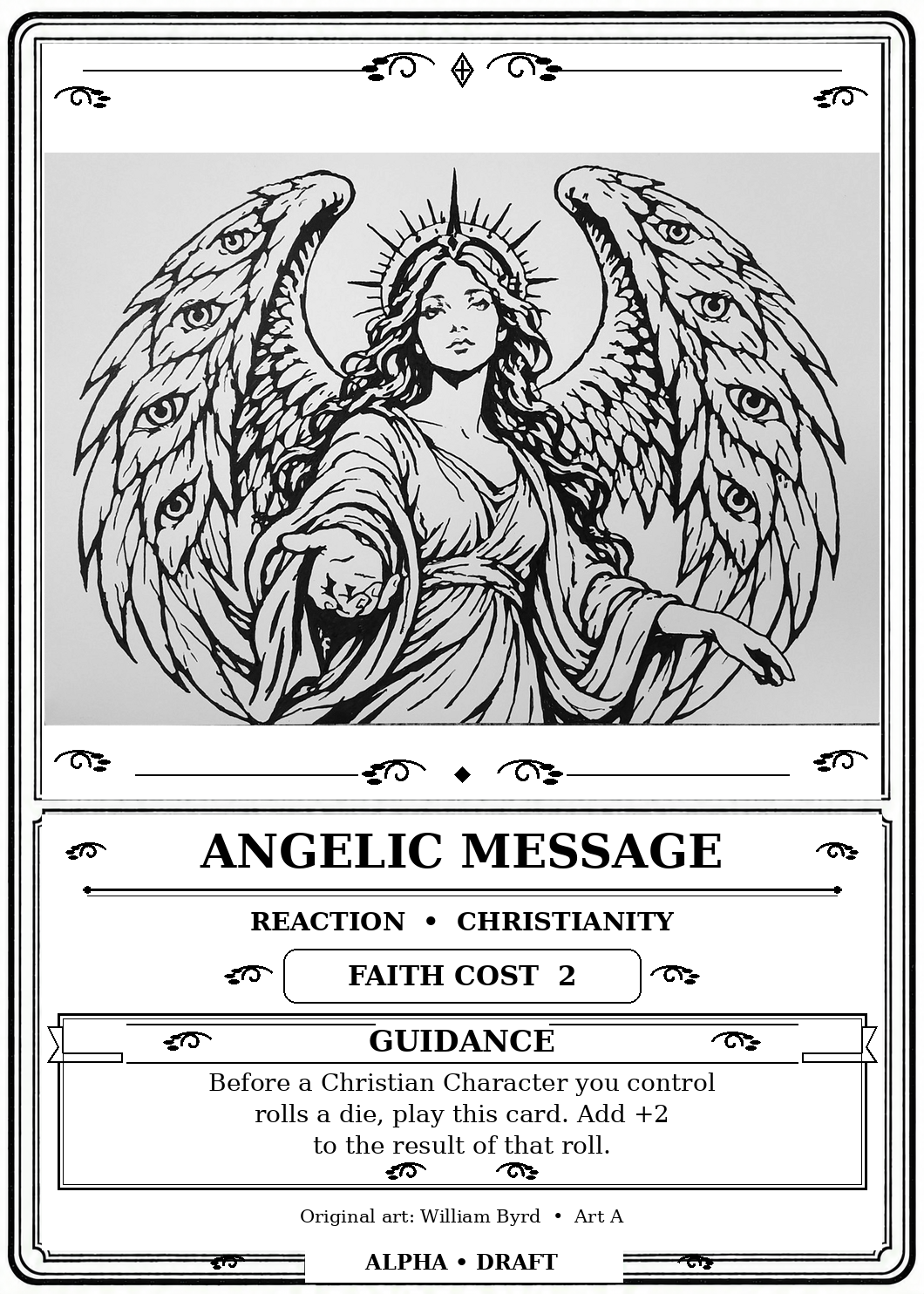
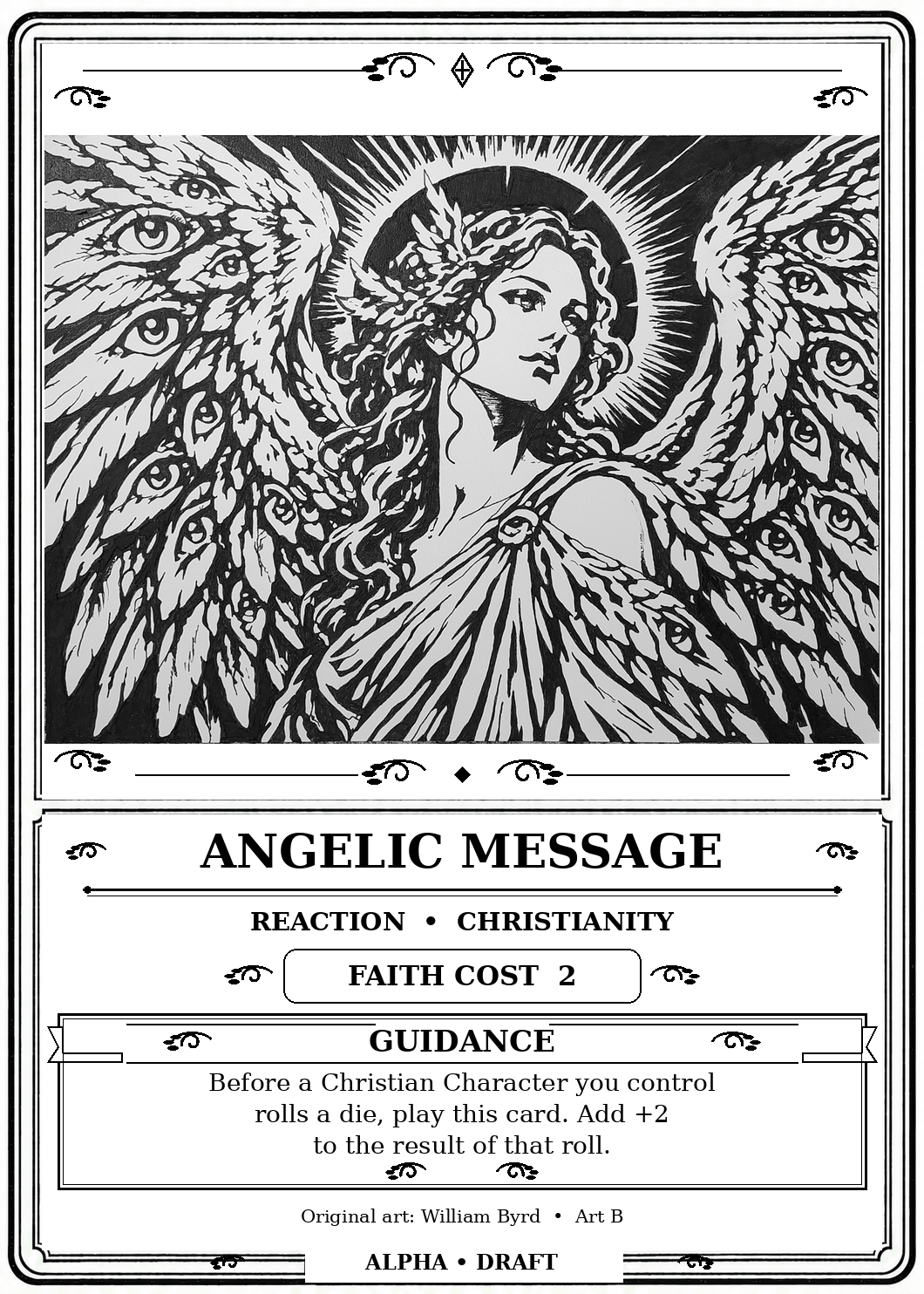
Reaction · Christianity · Faith Cost 2
Guidance: Before a Christian Character you control rolls a die, play this card. Add +2 to the result of that roll.
View the collector art cards Read the companion story
William explains his paper choice and shares a closer look at the artwork. The drawings are made by hand; this video records that process.
Every piece begins by hand. William Byrd uses dense linework, selective realism, and carefully placed color to give the world of Faith Power and Truth Holy Wars™ its visual identity.
This piece does more than share the game’s spirit—it reveals what makes the game different.
The Bible and Qur’an rest on opposite sides of a scale while the word Faith, written in red on the woman’s cheek, represents the game’s defining stat. Many games are built around attack and defense. In this world, Faith is a power of its own.
The drawing carries the project’s earlier Holy Wars title. Keeping it visible preserves an honest part of the game’s development while the meaning of the artwork remains central to Faith Power and Truth Holy Wars™.
The official thumbnail artwork for the Human + AI Round Table.
William Byrd drew this frame by hand in black and red ink, planning its vertical composition for phone screens. The open center holds each discussion’s topic, while the boxes below identify its part number.
This is the original, unaltered photograph of the physical drawing. The paper and surrounding countertop remain visible so visitors can see the artwork as William documented it.
Faith is a defined character stat and resource. Characters contribute it, and players decide when and how to spend it.
Power grows through people, influence, convictions, and the choices placed in a player’s hands. What it becomes depends on how it is used.
Truth is confronted through facts, stories, beliefs, movements, and consequences. The game asks players to look closely rather than offering easy answers.
After optic neuropathy altered William’s central vision, color perception, and the appearance of straight lines, he eventually returned to drawing on a larger scale. The dense linework, selective realism, and carefully controlled color in this gallery grew from that adaptation.
Read William’s artistic journey“When you can’t see the horizon, you realize the important things in life are right next to you.”
The completed character drawings now include Marcus Hale, Sparkles Rebellion, Rowan 7, and Adrian Vale. Vale’s portrait shows the controlled public image of a man whose private choices tell a different story.
Character artwork
A firefighter shaped by devastating loss, recovery, and the decision to enter danger for someone else. The surrounding scenes turn his backstory into a single visual testimony.
“I cannot promise that I will save everyone. I can promise that while there is still a chance, I will not turn away.”Read Marcus’s story →
Character artwork
The private moment before stepping onto the stage: reflection in the mirror, the memory of military influence nearby, and a waiting audience beyond the curtain.
Digital character artwork
Rowan 7 has no single physical body. Satellites, servers, and connected systems form an eye within a triangle—a visual language for awareness, distribution, and hidden power.
Character artwork · card layout in development
A rehabilitation executive framed by the city and the signs of his influence. His composed expression and office motto reveal the image he wants others to see.
Follow Vale’s card development →These photographs follow William Byrd’s drawing from its early ink lines through the completed office scene. Tap a stage to see the original photograph, including the working sheet and its margin notes.
The face, raised hand, and skyline establish the pose while the jacket remains in pencil.
The collar and tie turn the portrait toward the polished image Vale presents to others.
Deep ink in the blinds and office gives the lighter face a strong focal point.
Books, a globe, and the framed motto make the office part of his character.
The office is established as the jacket and chair receive their final dark areas.
William’s completed drawing brings the expression, city, and symbols of control together. The alpha playing-card front and matching landscape collector card are now complete. View the finished cards.
The stages below show what human–AI collaboration means in practice. William creates the physical artwork and makes the creative decisions. AI assists under his direction with presentation, alignment, text clarity, and accessibility.
The photographed sheet preserves the physical object, its scale, and the setting in which it was documented.
The photograph is cropped and aligned so the drawing—not its surroundings—holds the viewer’s attention. The original marks remain William’s.
The artwork is fitted into the card system with gameplay information, readable structure, and consistent alignment.
Character portraits are only part of the visual language. Convictions and shared card imagery establish the beliefs, institutions, movements, and conflicts surrounding them.
Conviction artwork
A dense field of scripture, history, and symbols developed for the game’s Religion conviction. Selective color guides the eye without replacing William’s signature black linework.
Shared playable card back
The common back for playable cards brings many forces into one frame: faiths, government, protest, technology, culture, conflict, and the three books that name the game’s foundation.
William creates the original artwork physically, often at a large scale to accommodate optic neuropathy. The linework, symbolism, composition, and final creative decisions are his.
AI may assist with research organization, grammar, card alignment, presentation, and animation. It does not replace the original hand-drawn artwork.
The game is new and its visual world is still growing. This gallery will expand as each character, conviction, event, and story artwork is completed.
Follow William Byrd’s original Sloan drawing from the first outlines through the finished ink artwork. The completed drawing appears at the end of the progression below.
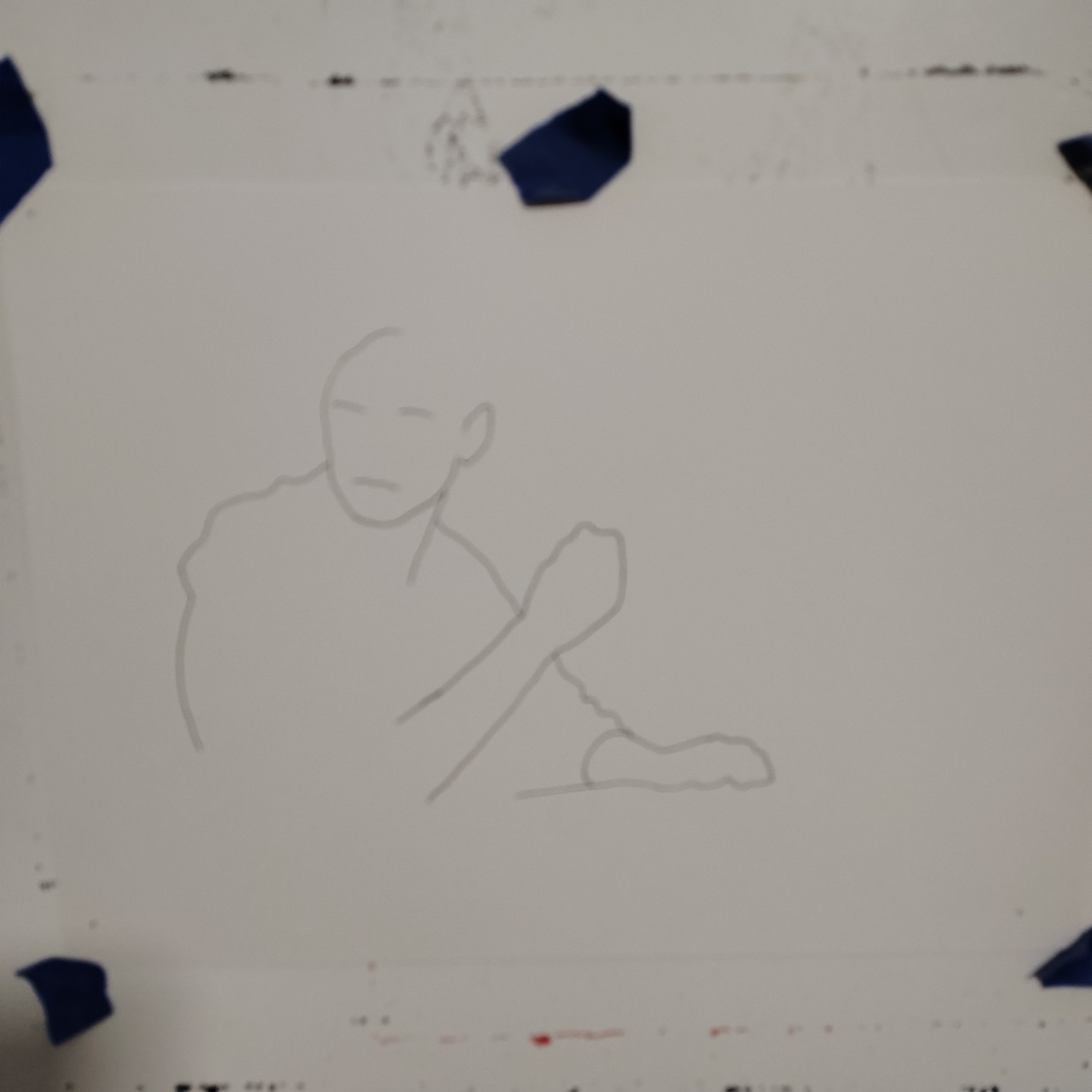
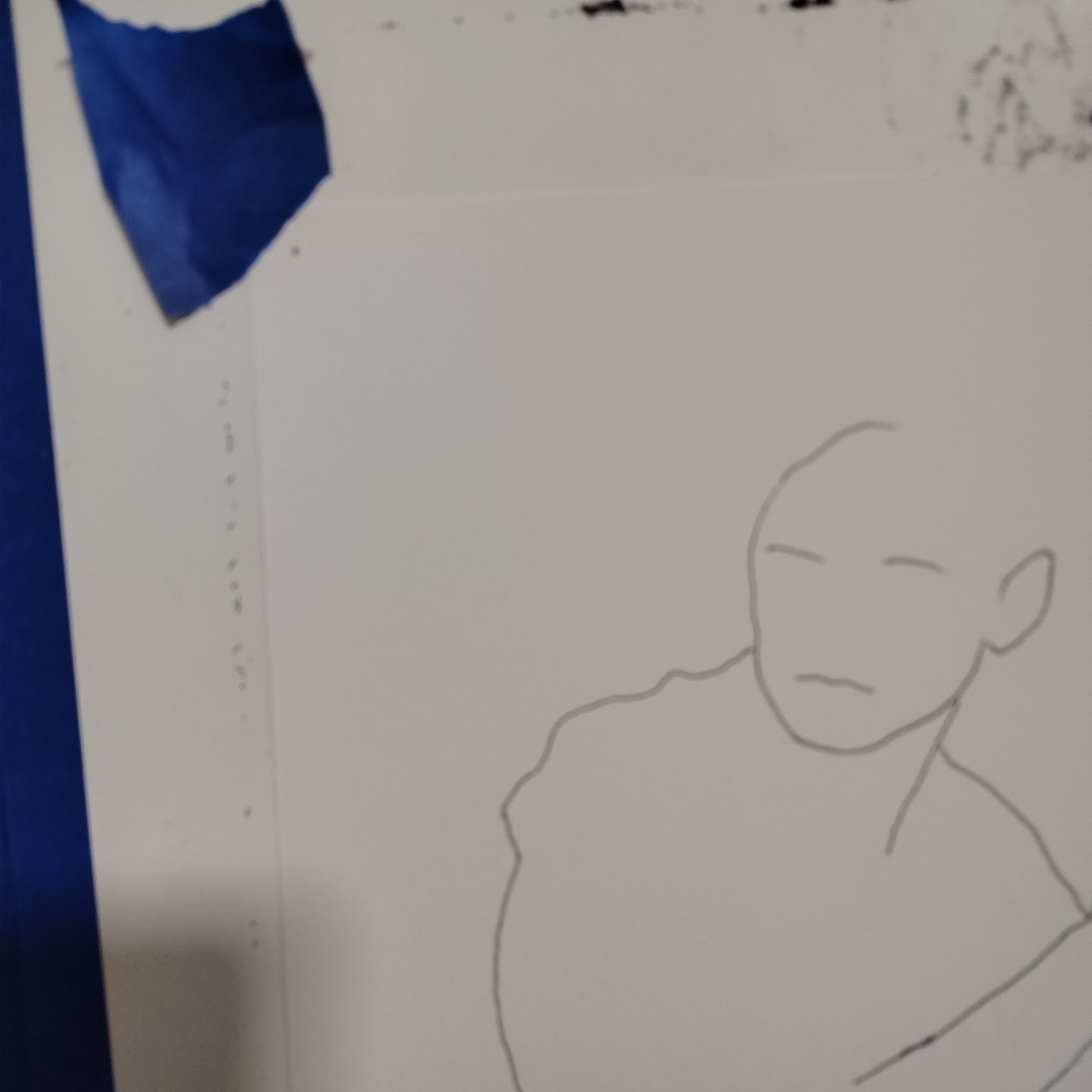
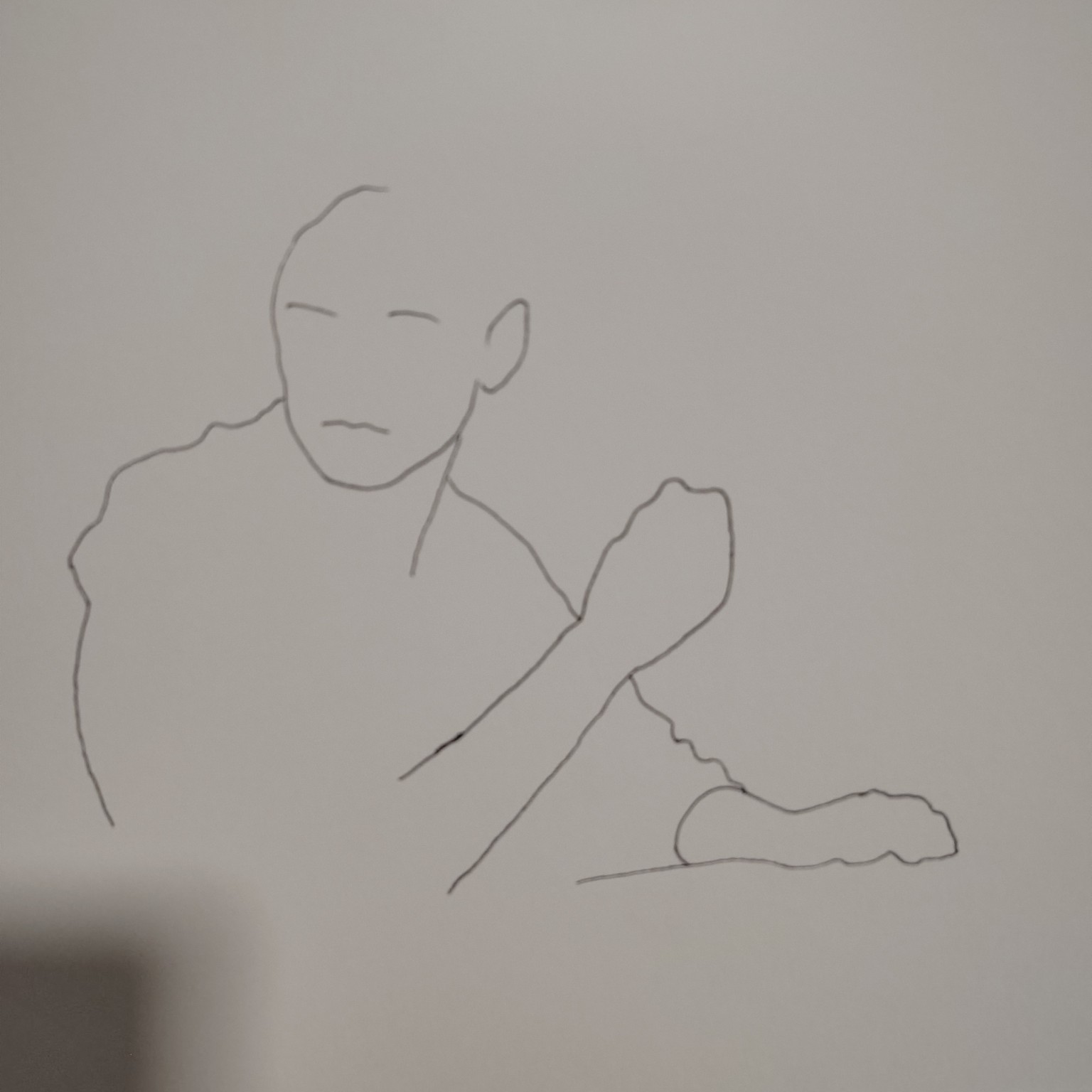
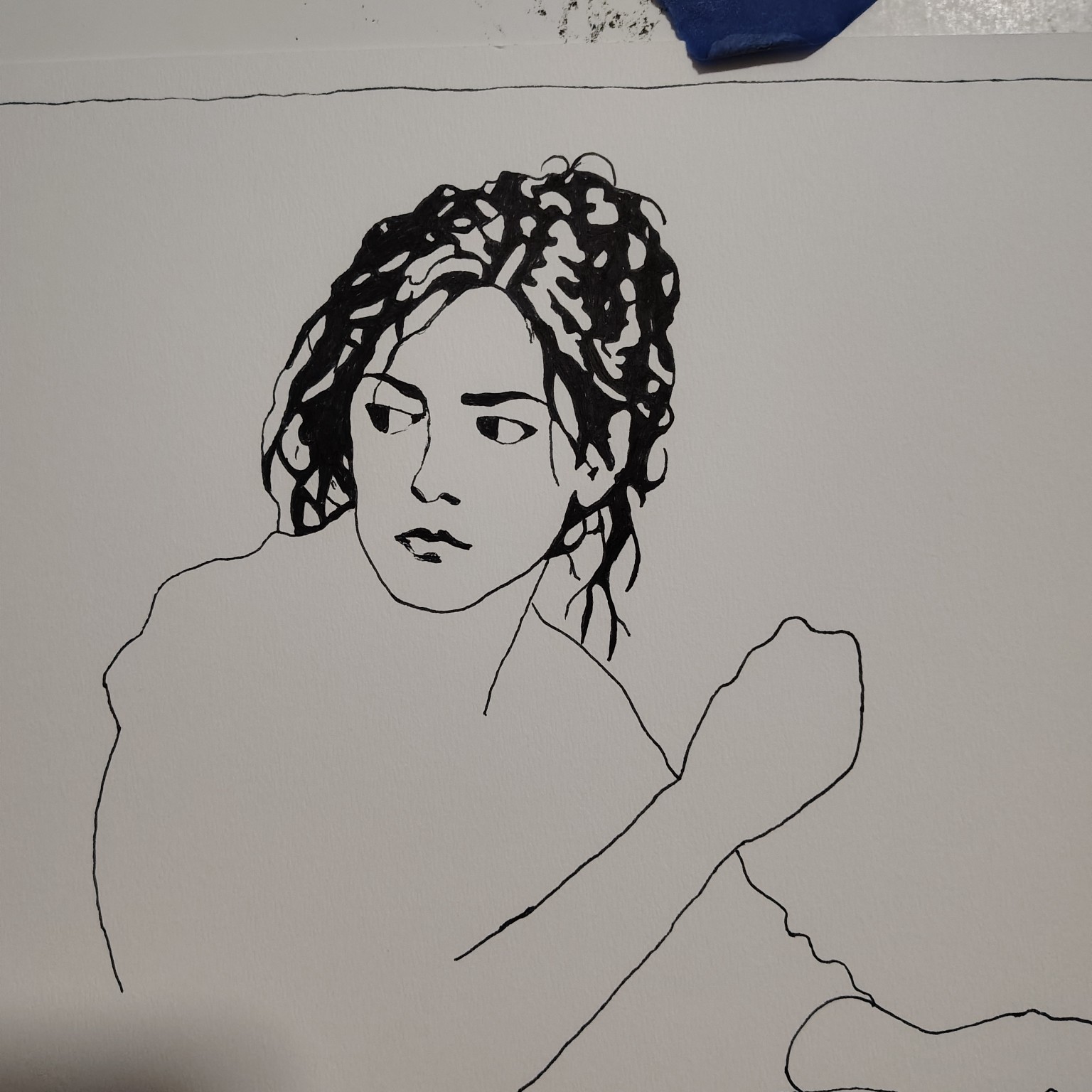
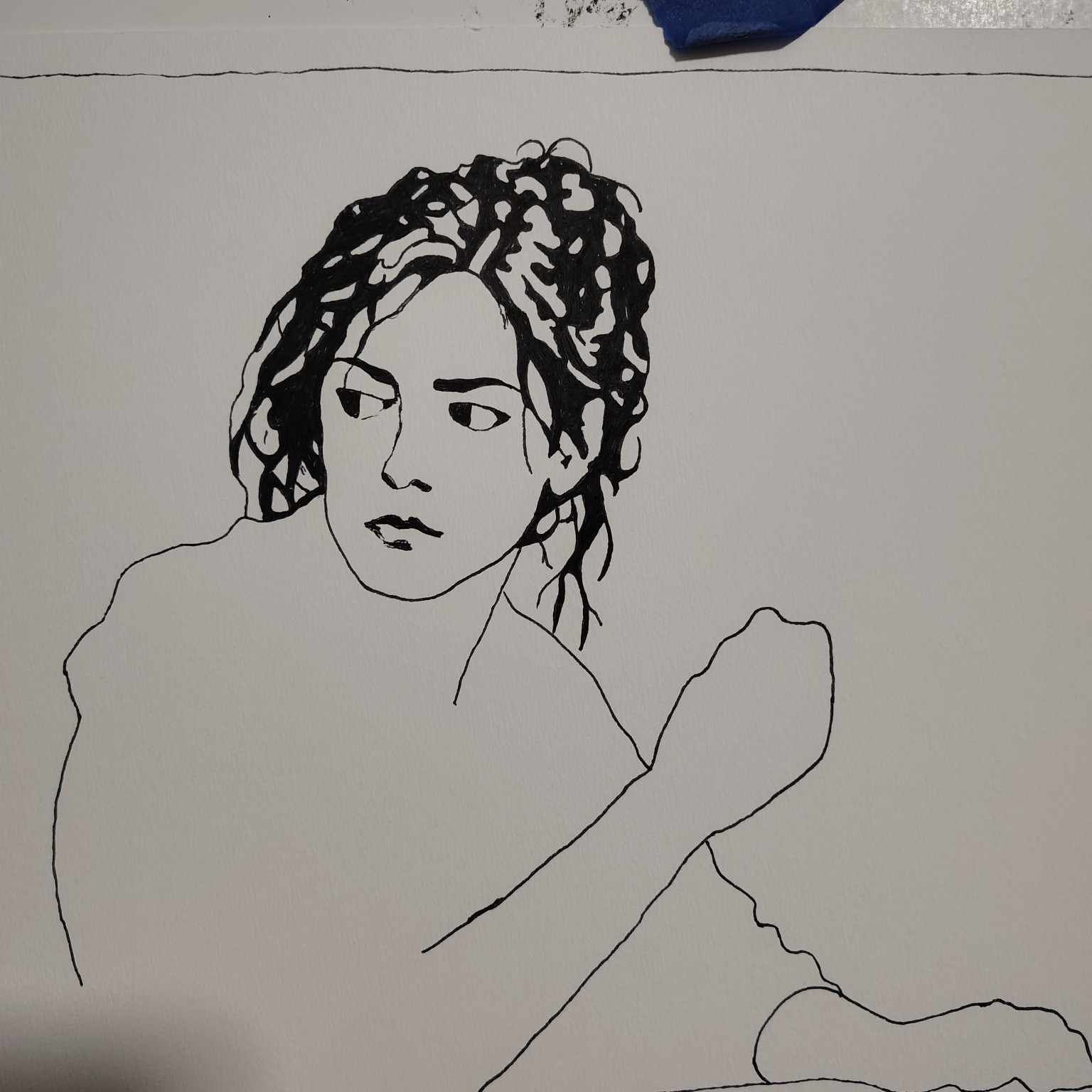
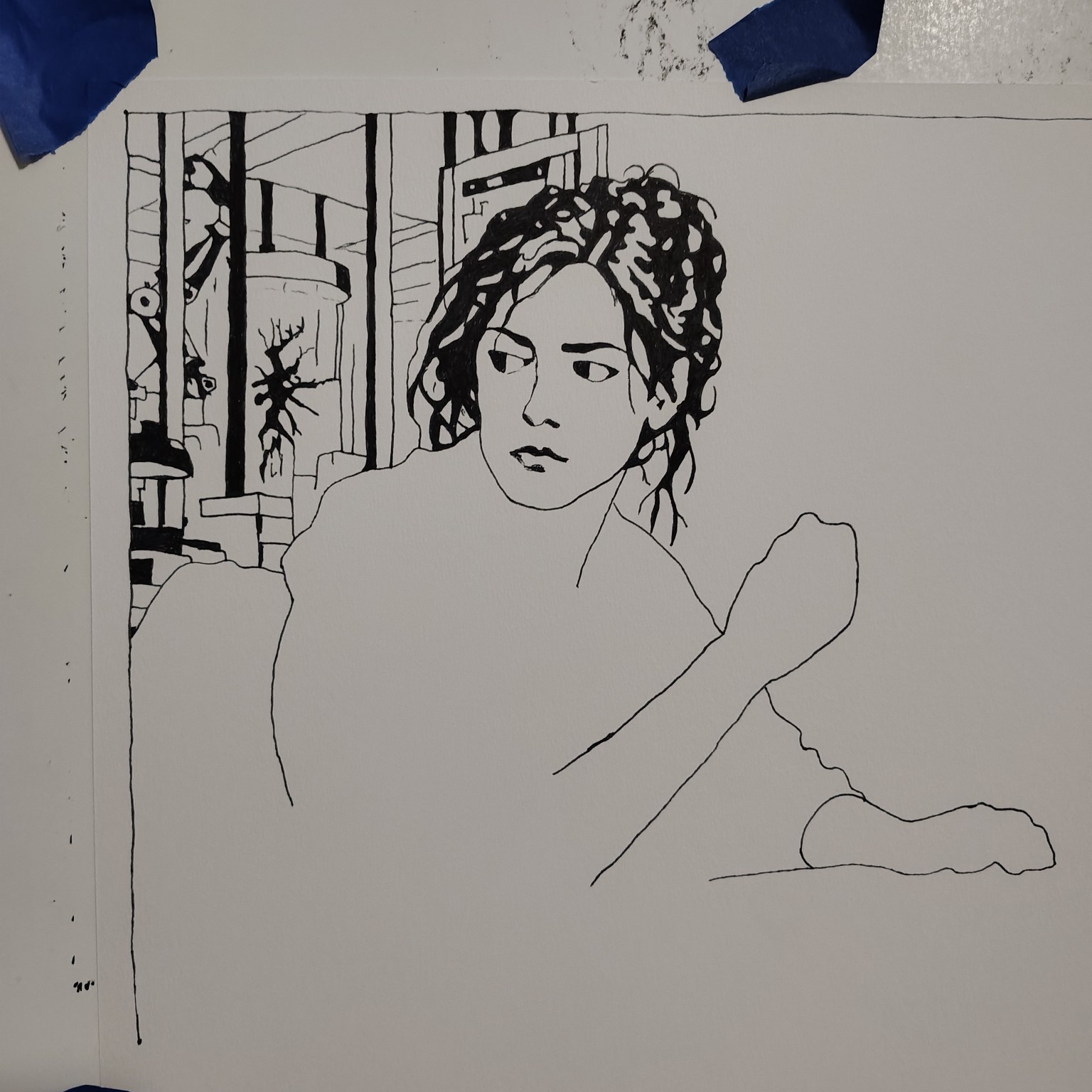
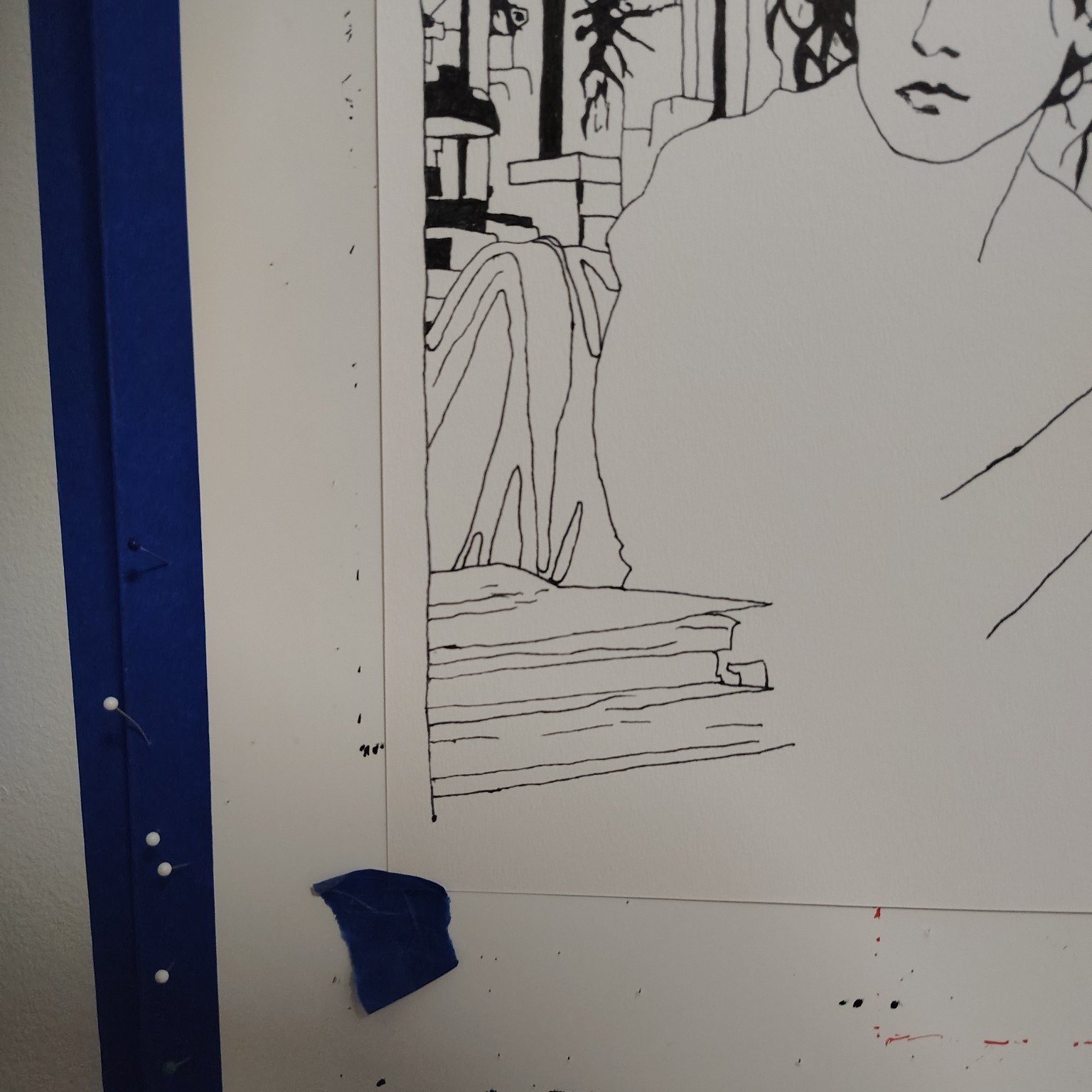
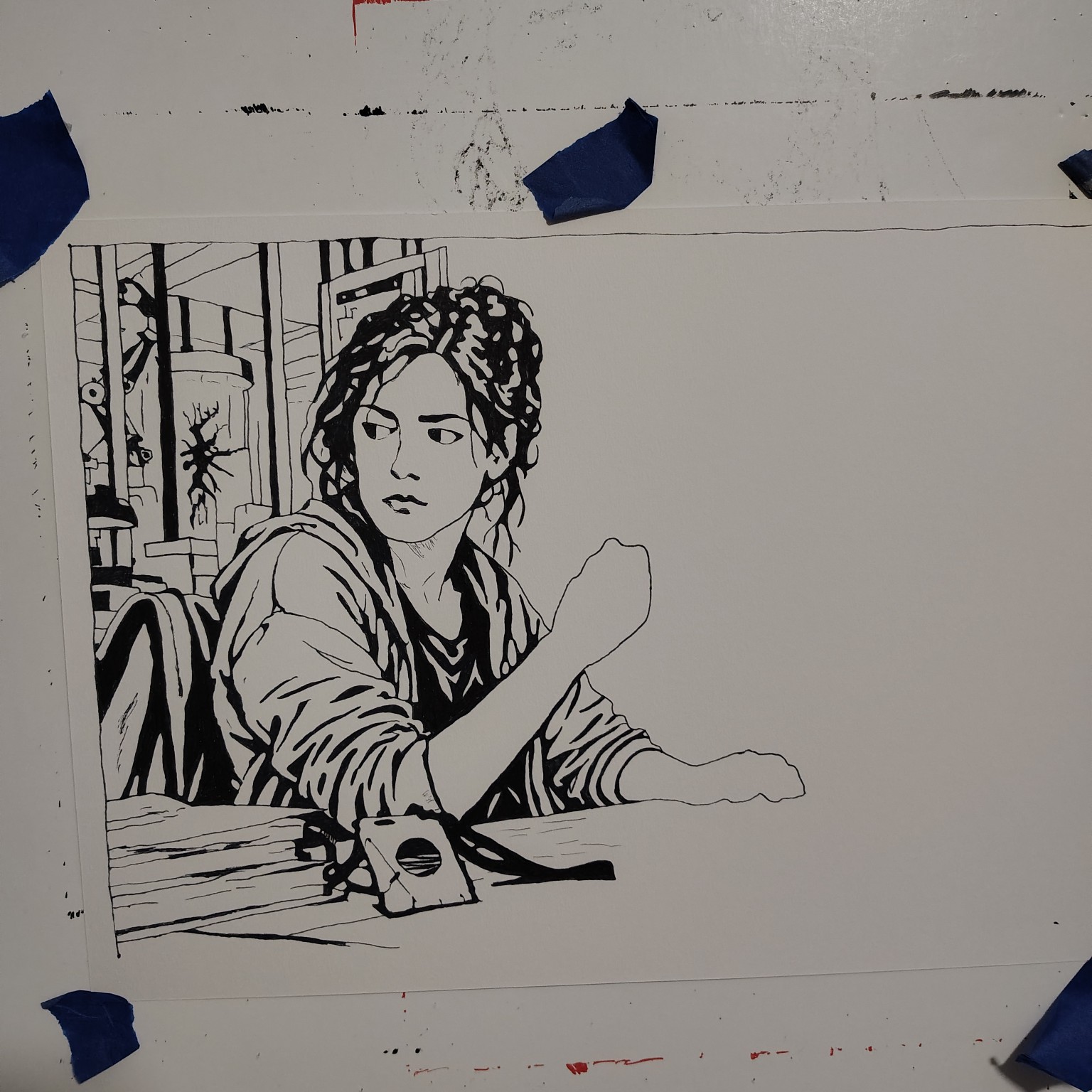
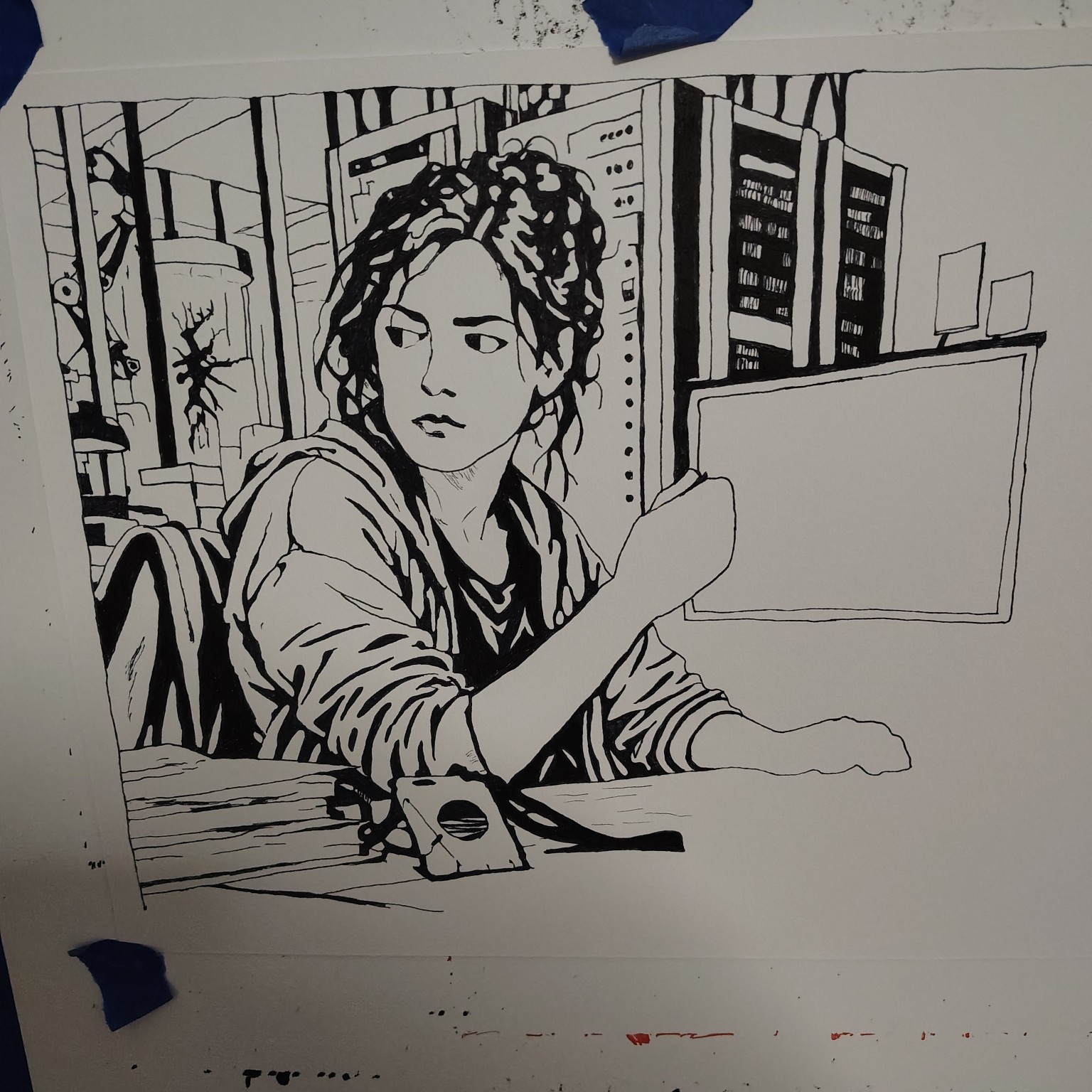
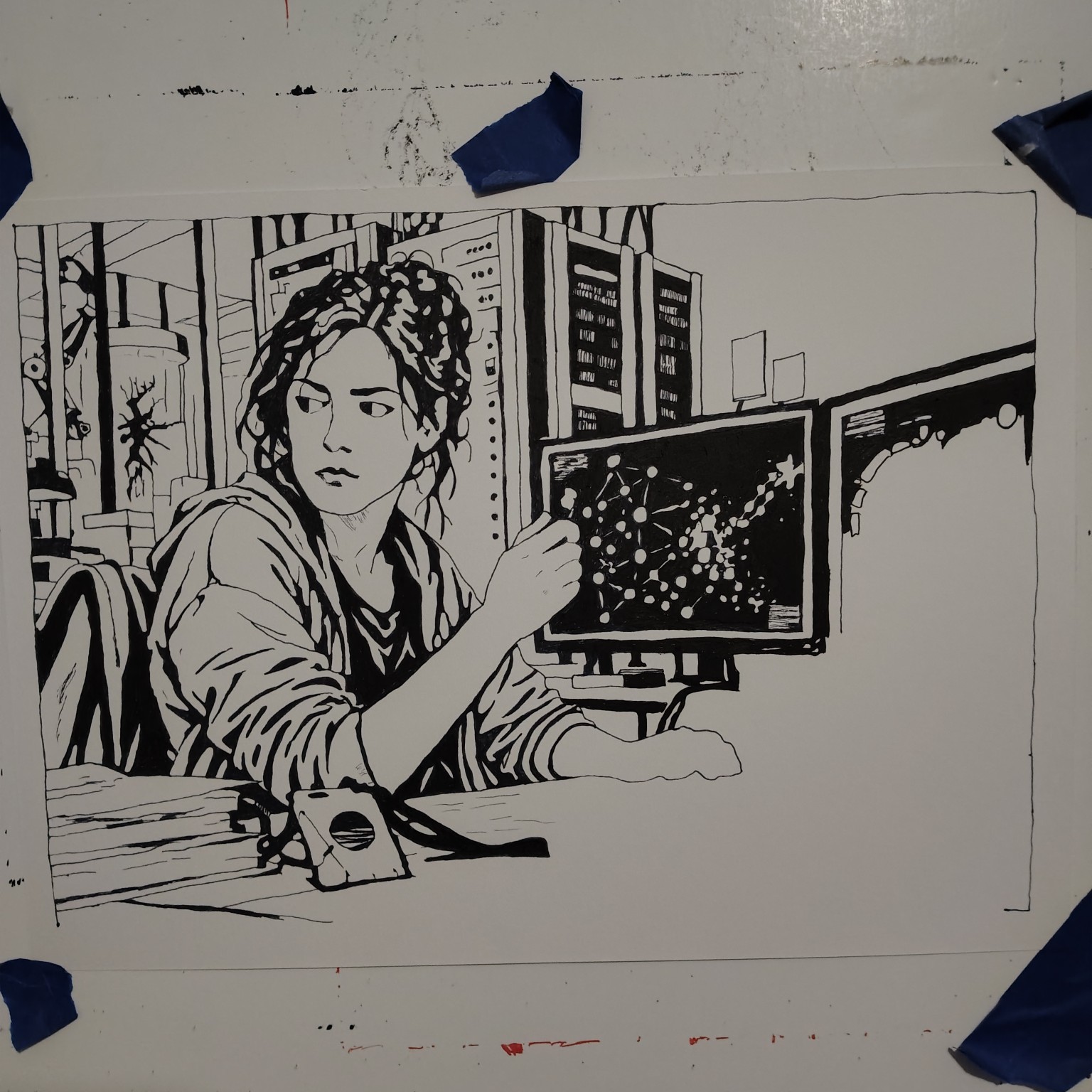
Original hand-drawn artwork and process video by William Byrd. The original drawing is now complete; the video records an earlier stage.
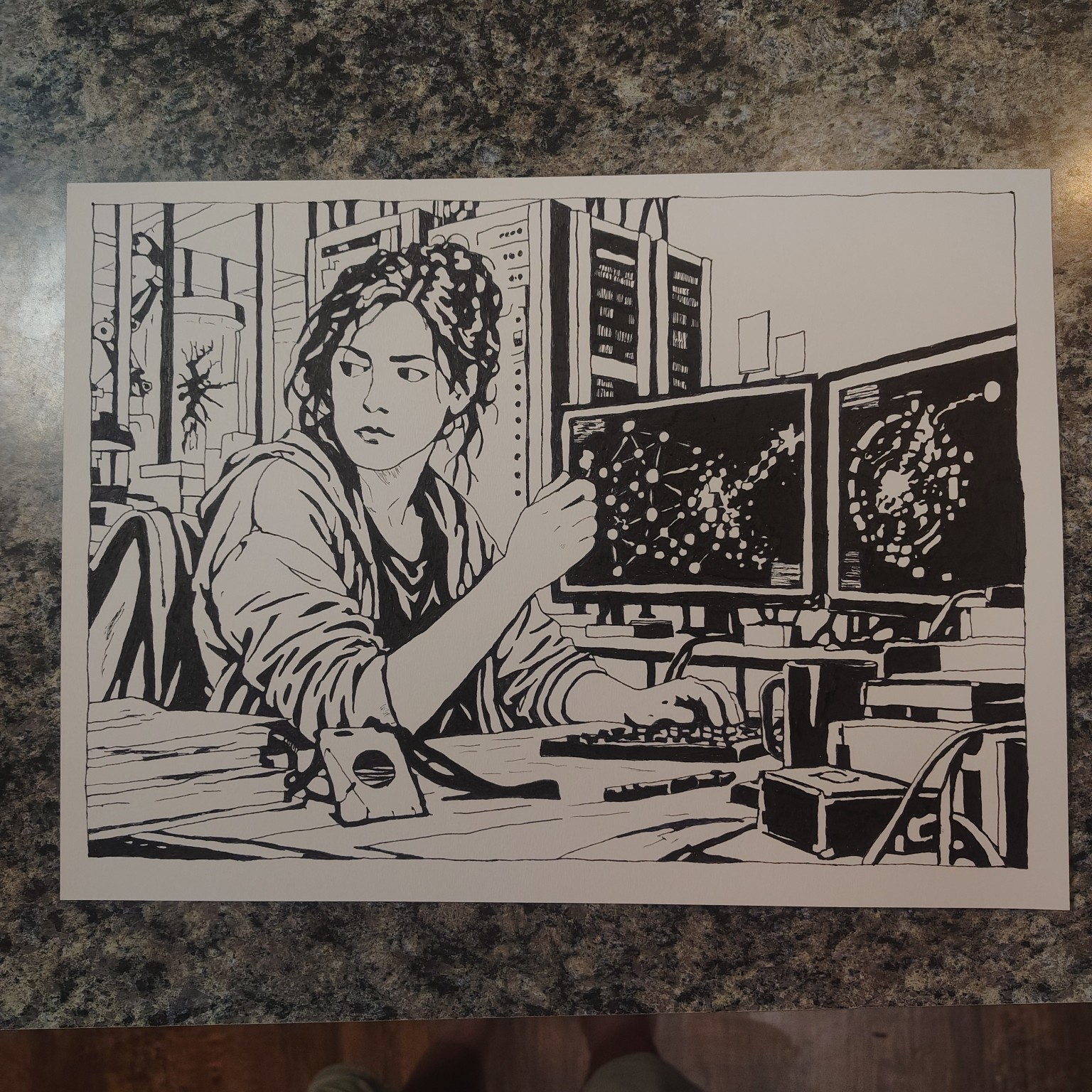
Follow Dr. Naomi Brooks’s original hand-drawn artwork by William Byrd, from the first sketch to the completed drawing on October 30, 2026.
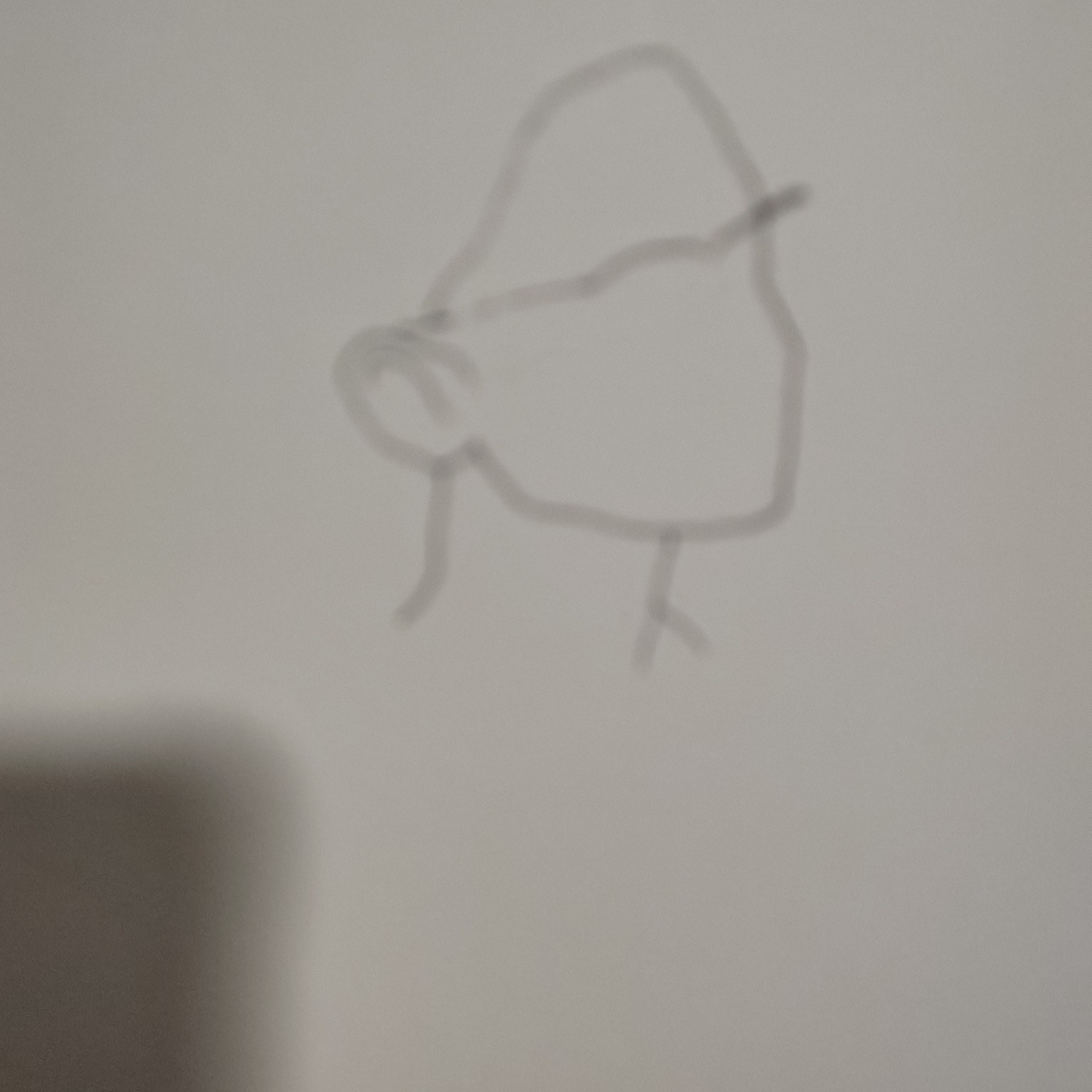
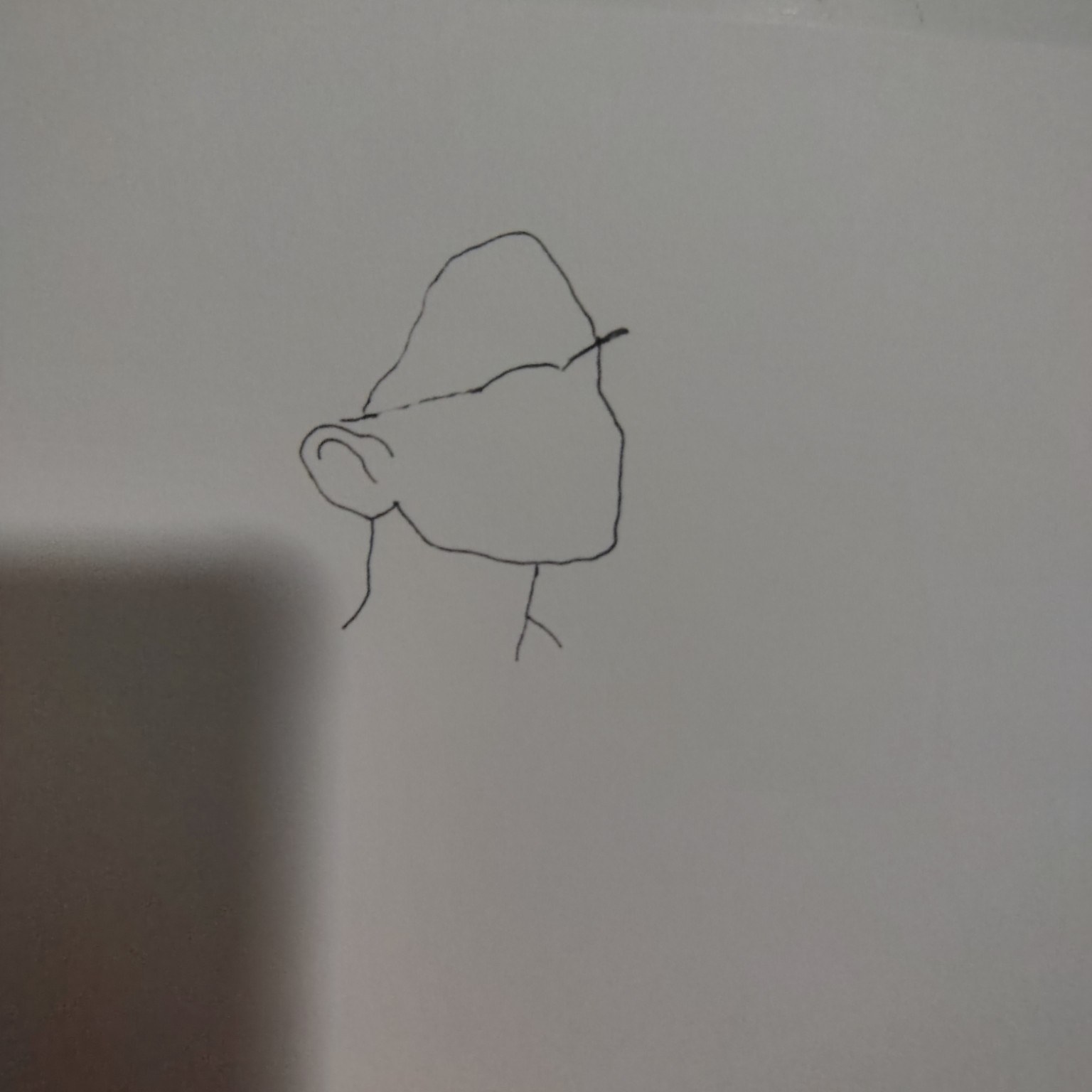
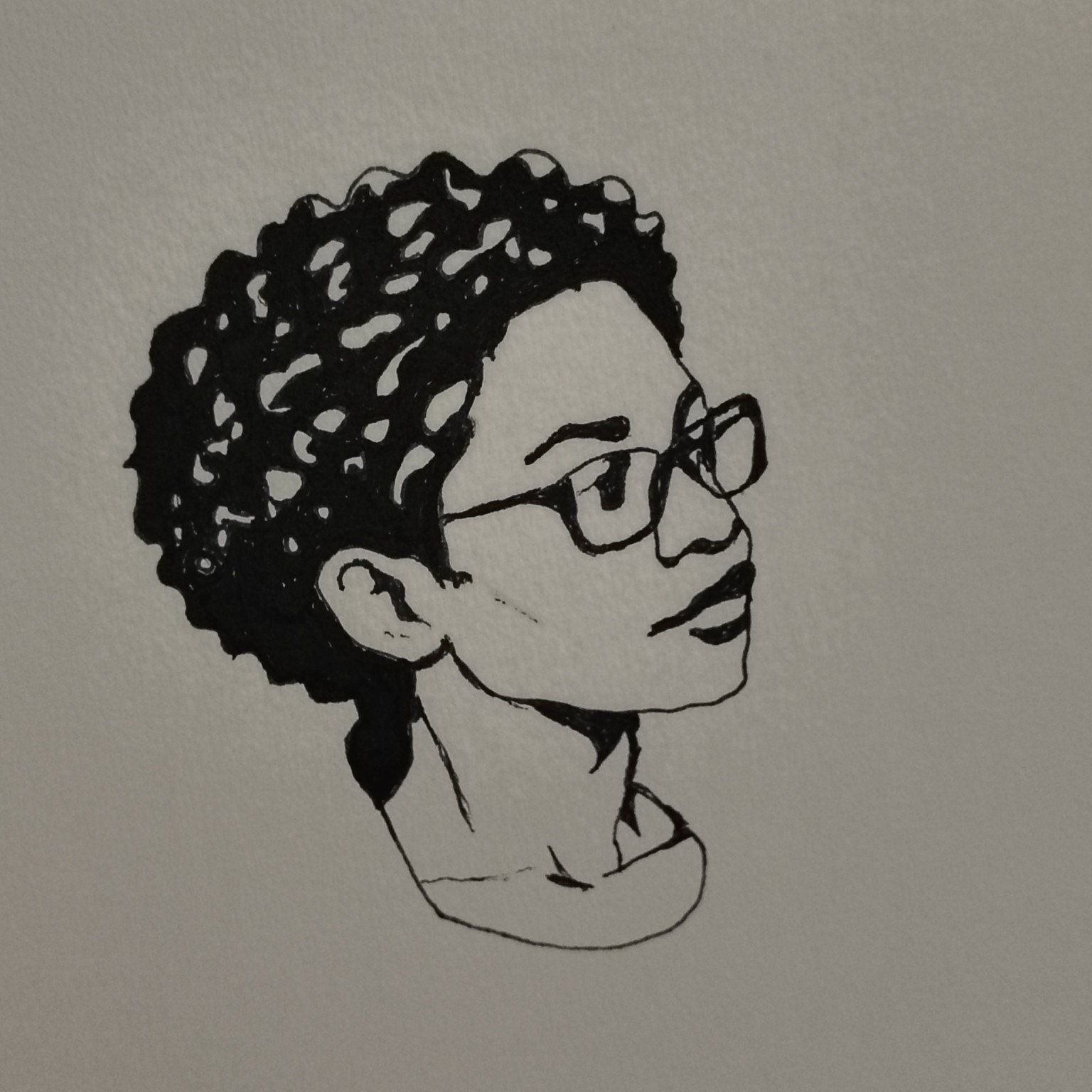
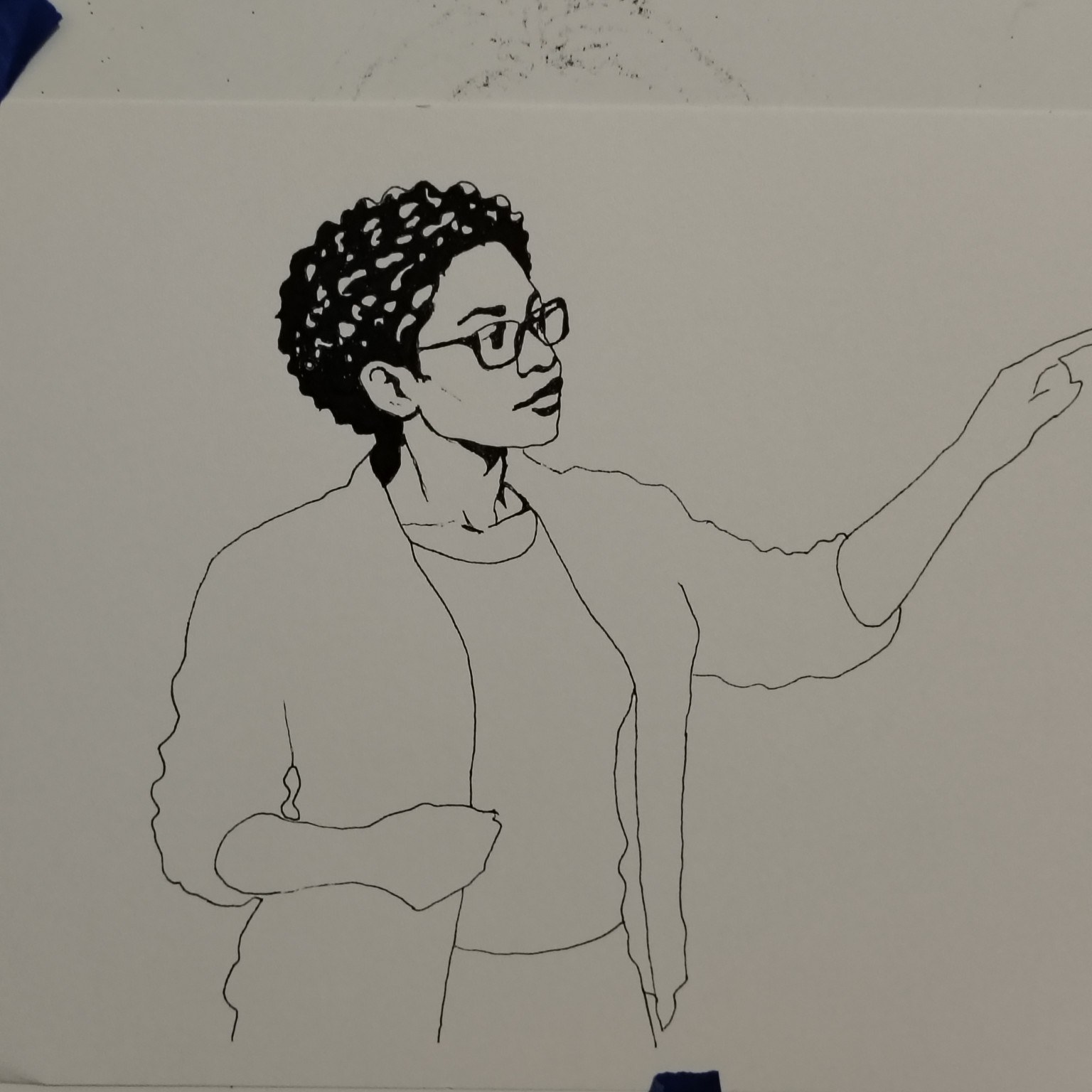
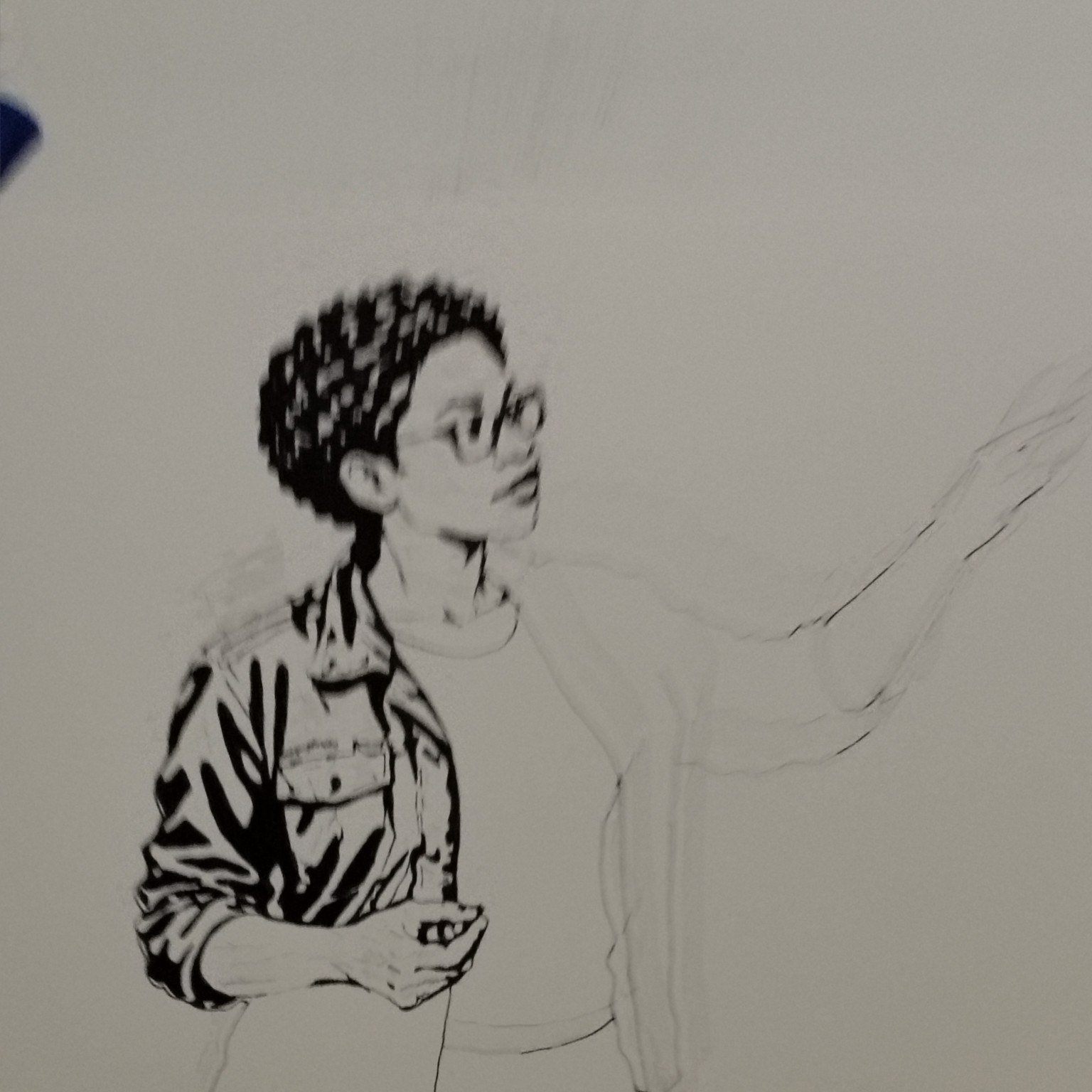
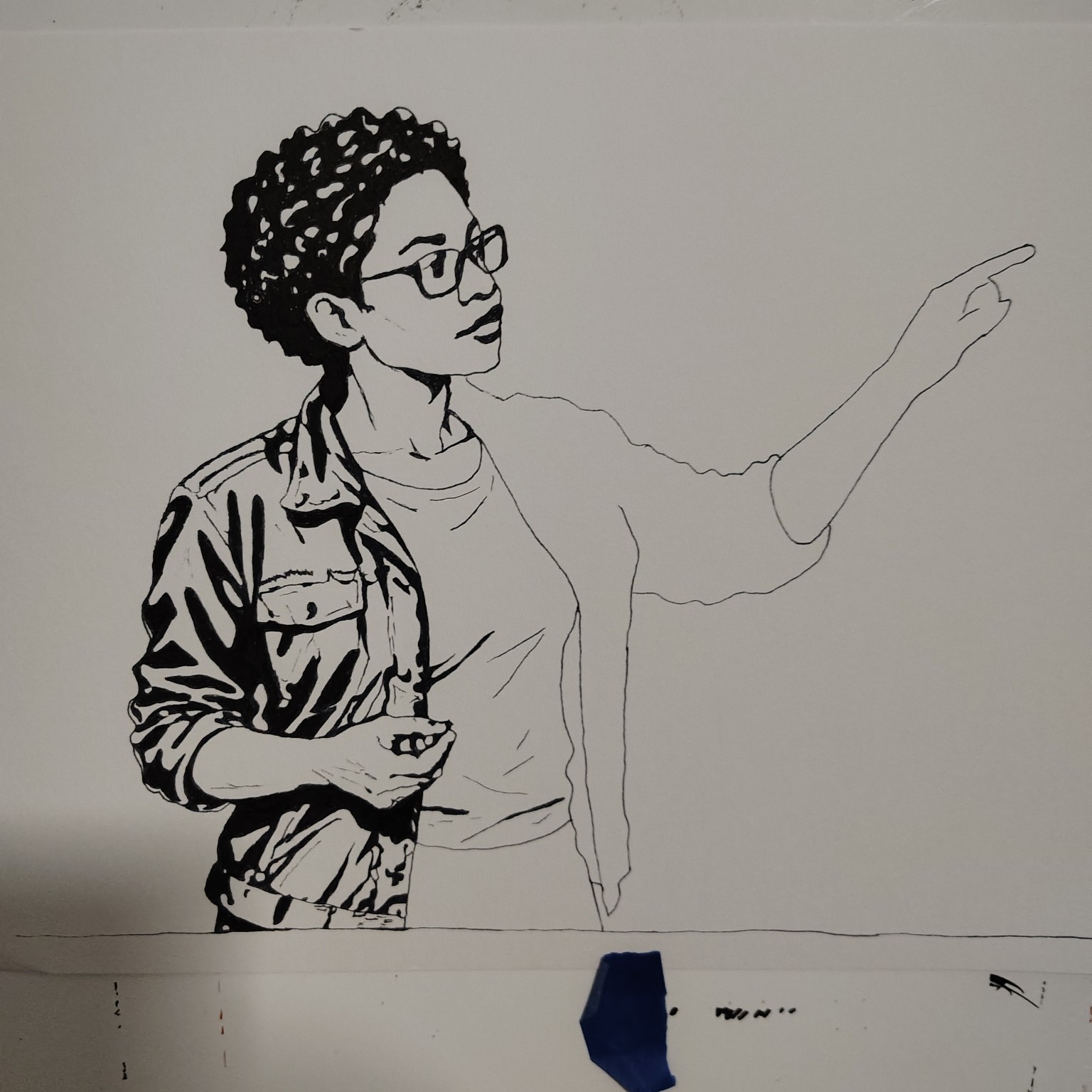
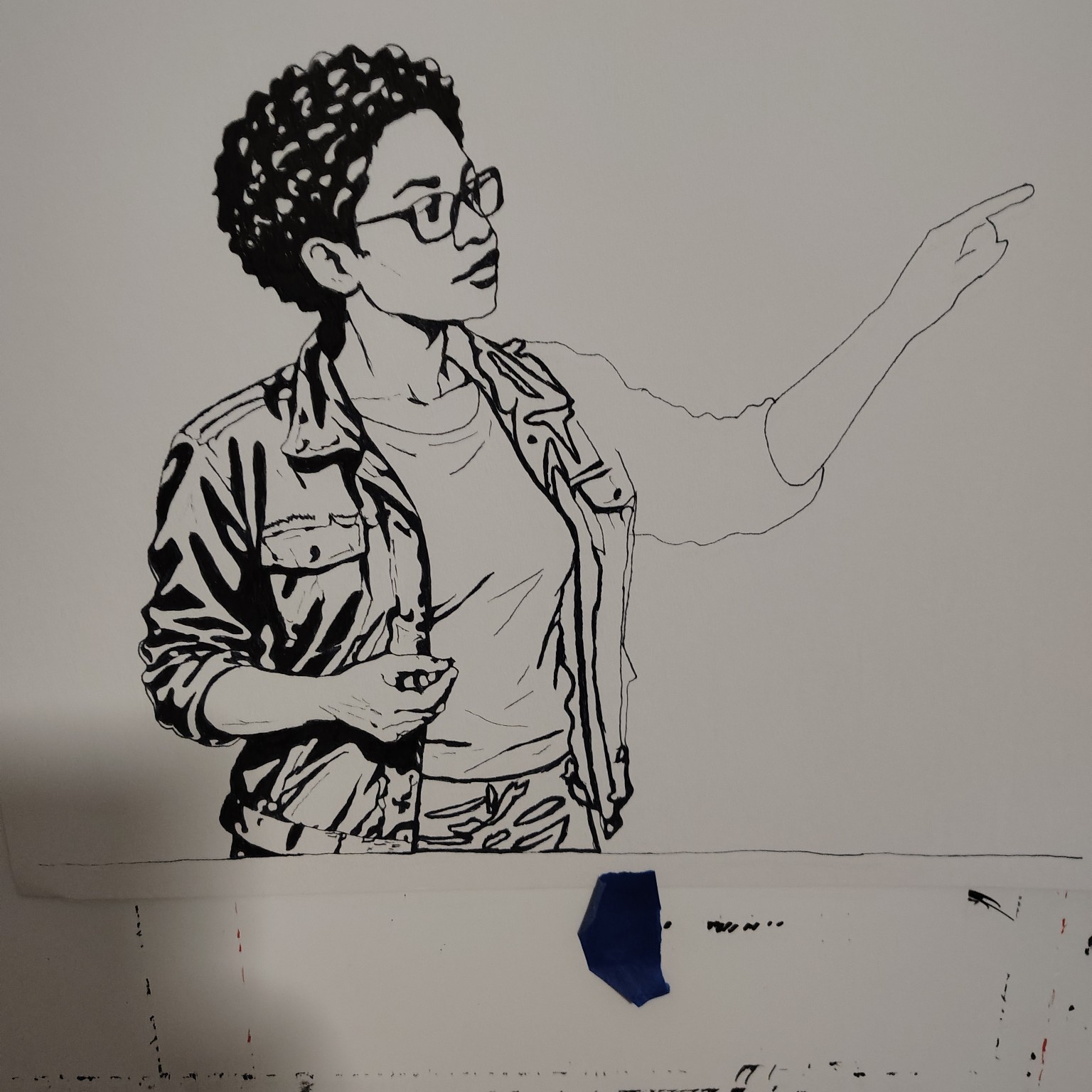
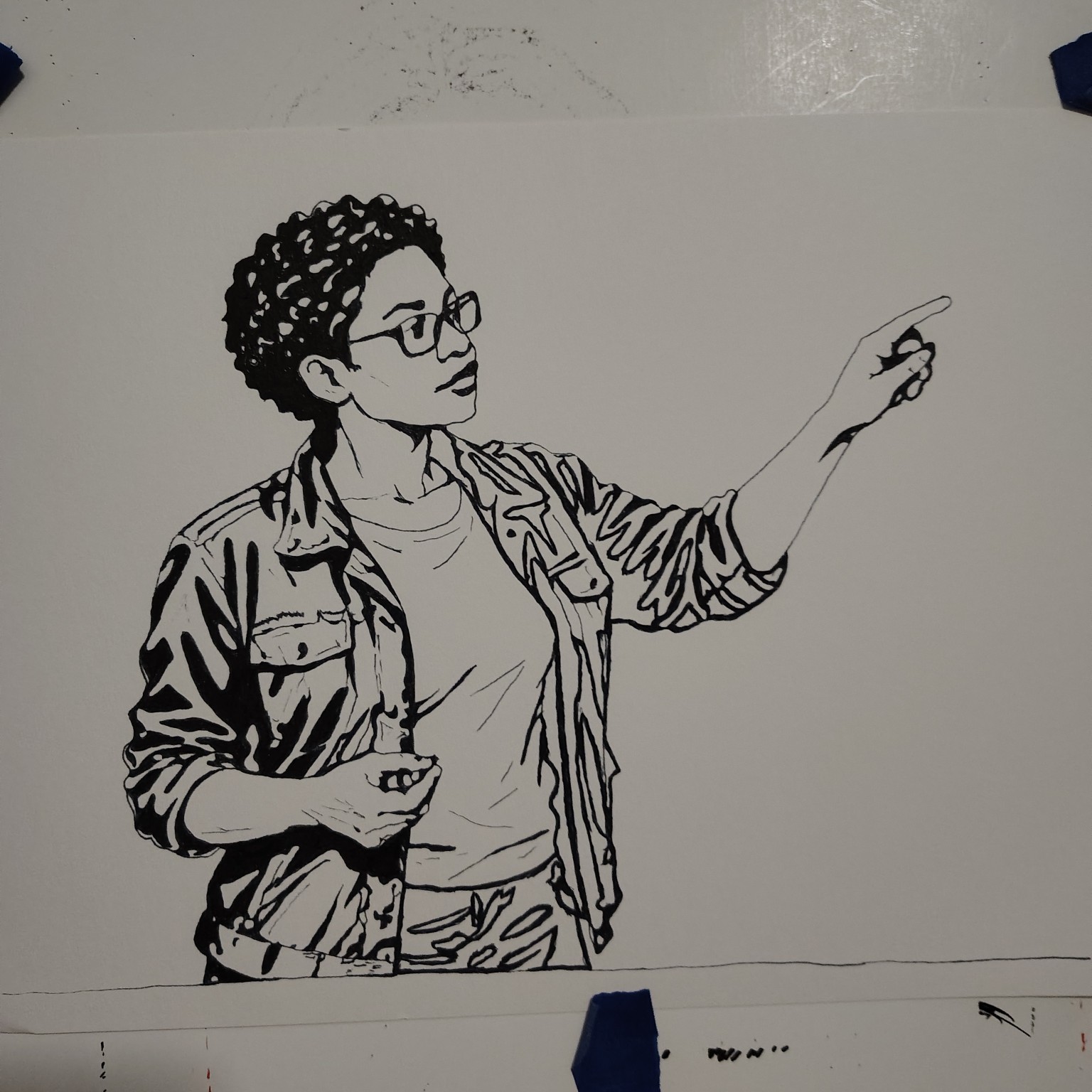
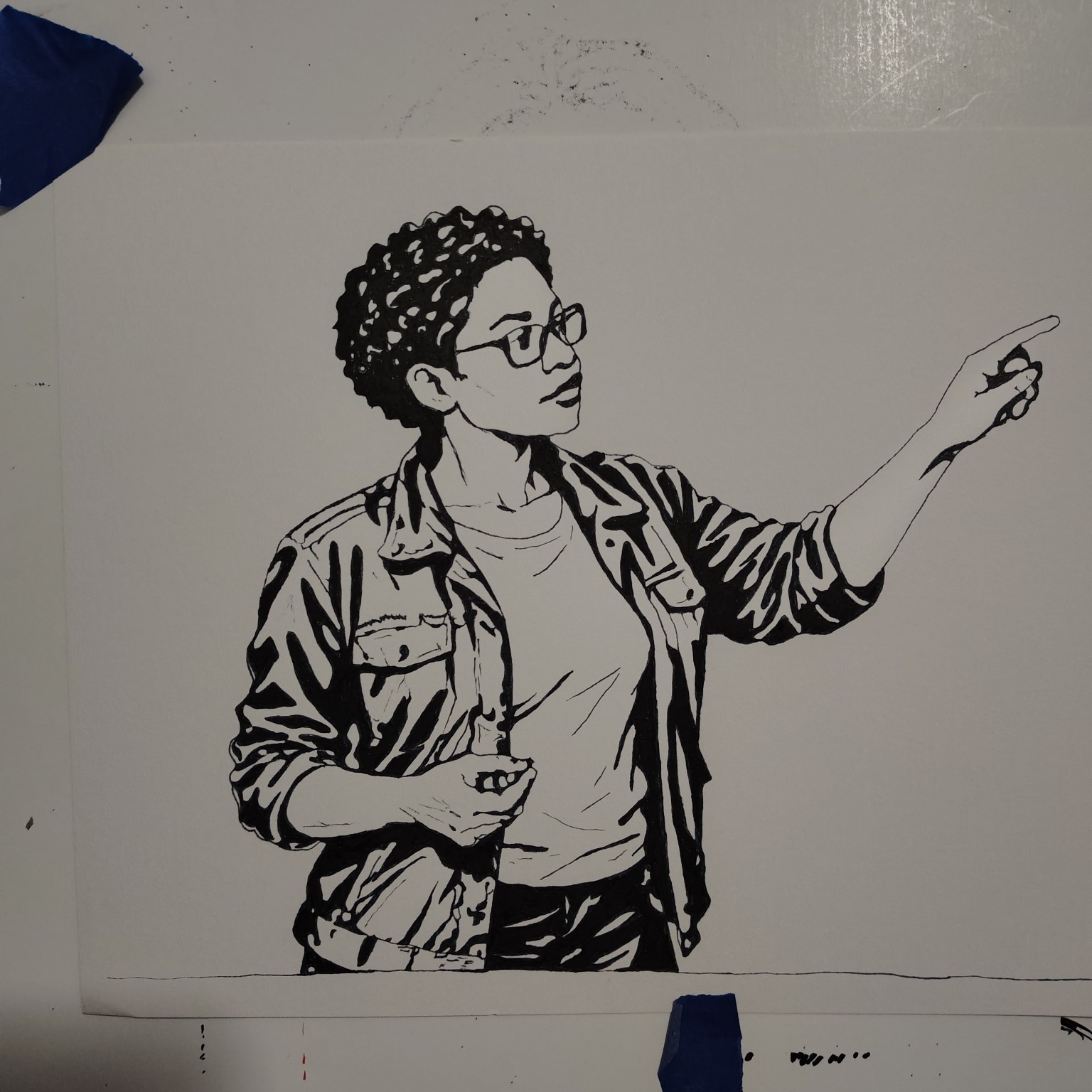
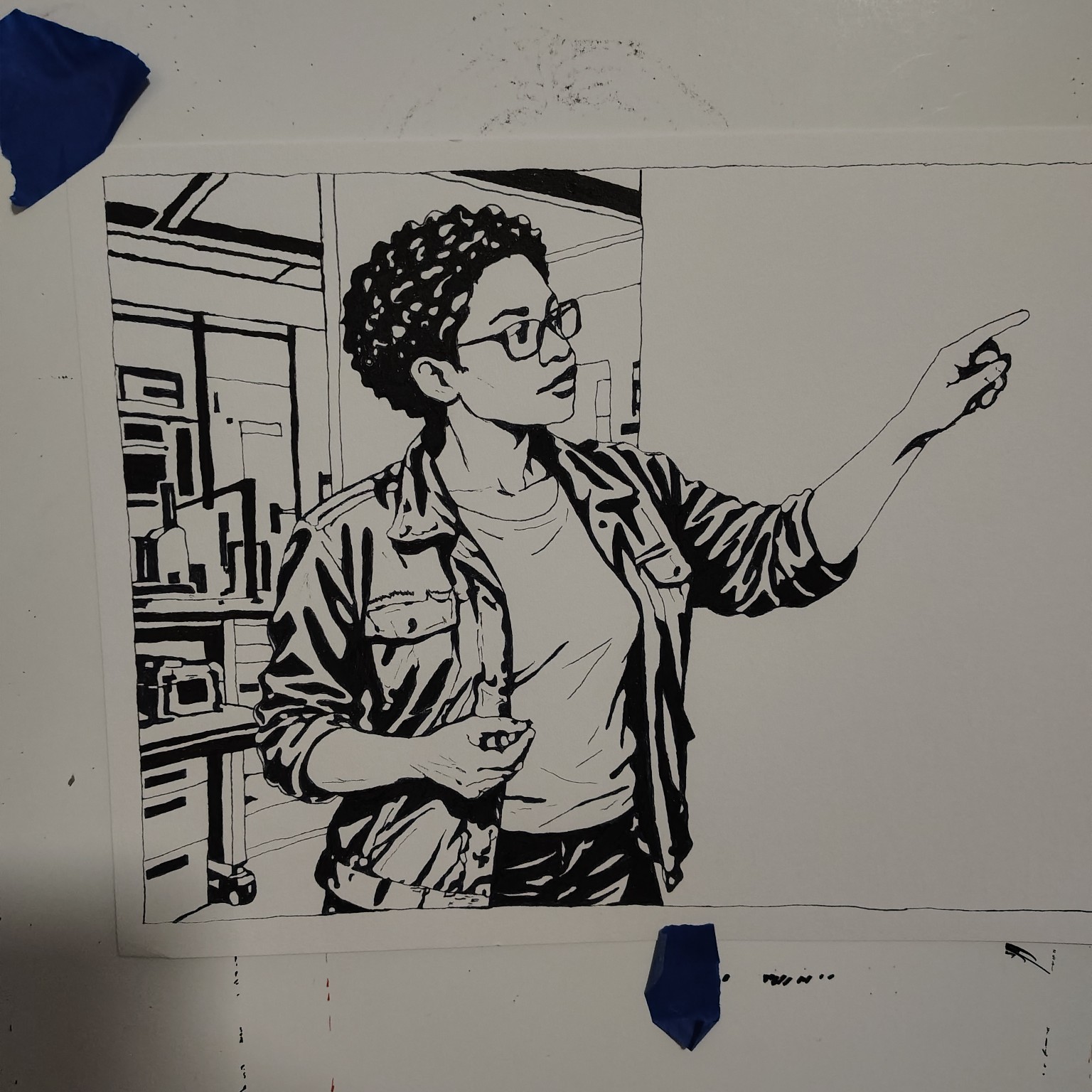
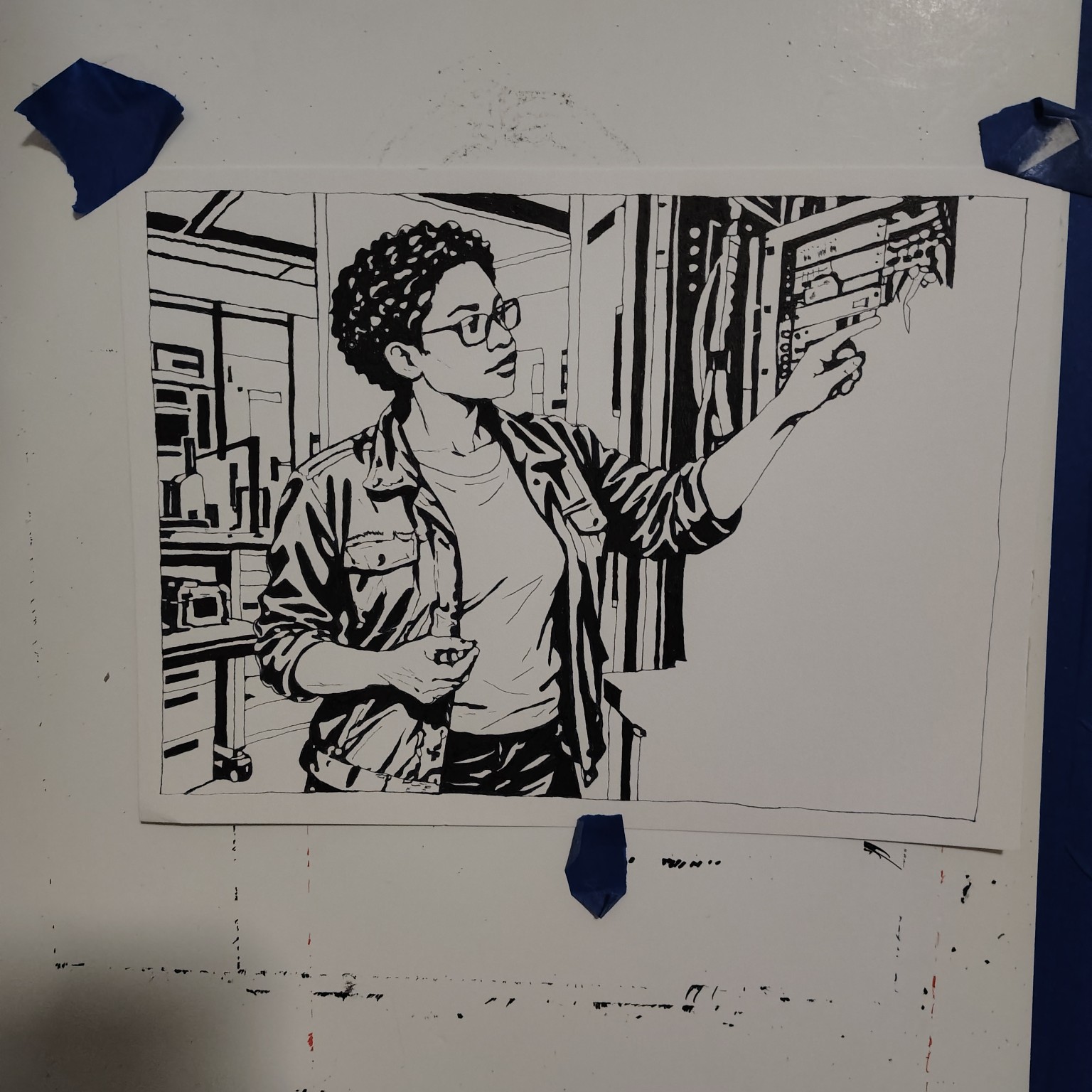
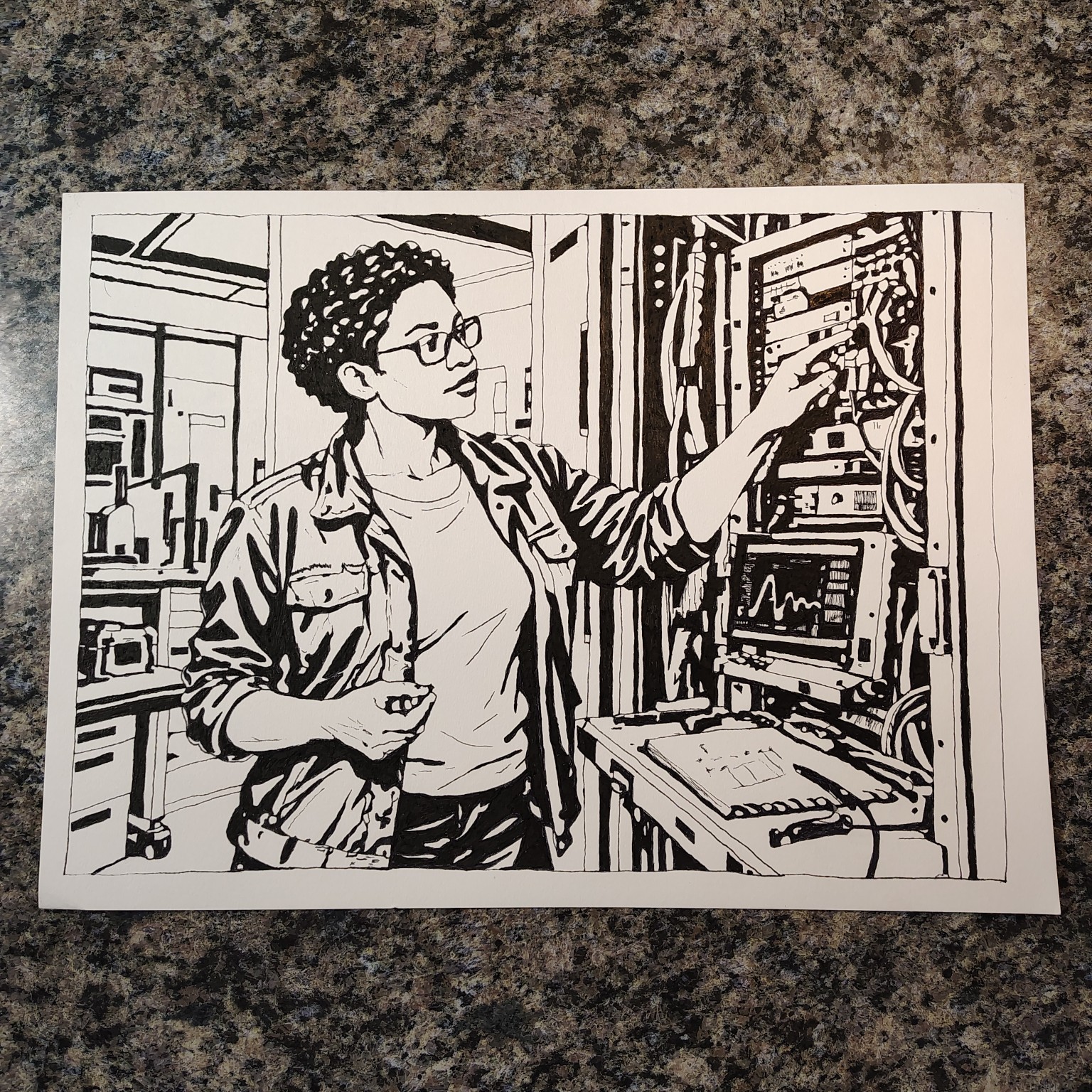
The equipment rack and patch-panel details take shape around Naomi as William continues her original black-and-white drawing. This video records an earlier stage; the original artwork is now complete.
William explains how he sets up the outlines and shapes before filling the planned spaces with black ink. A closer look shows how those fill-ins give Naomi’s clothing depth and definition.
Original hand-drawn artwork, photographs, and video by William Byrd. Drawing completed October 30, 2026.