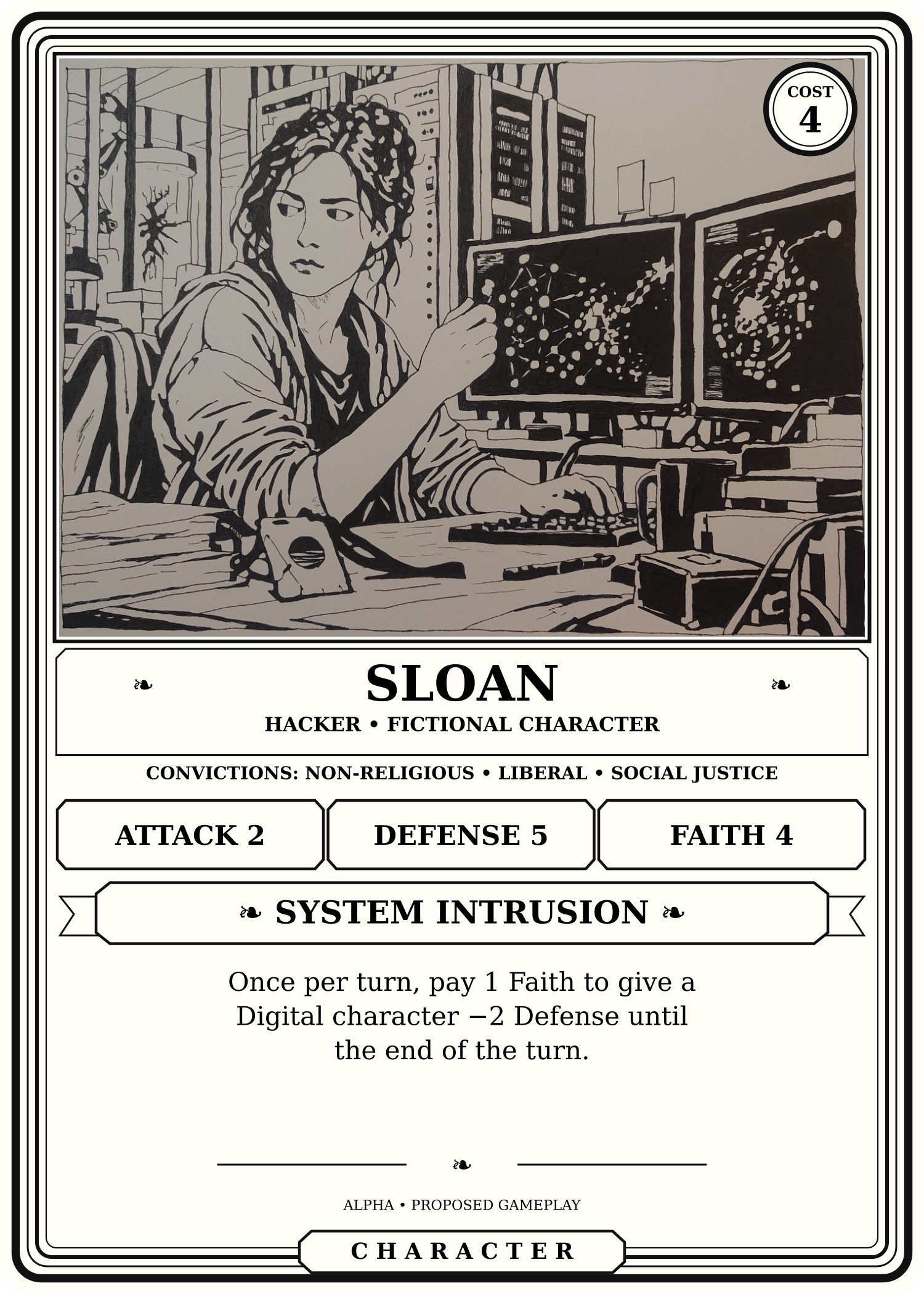
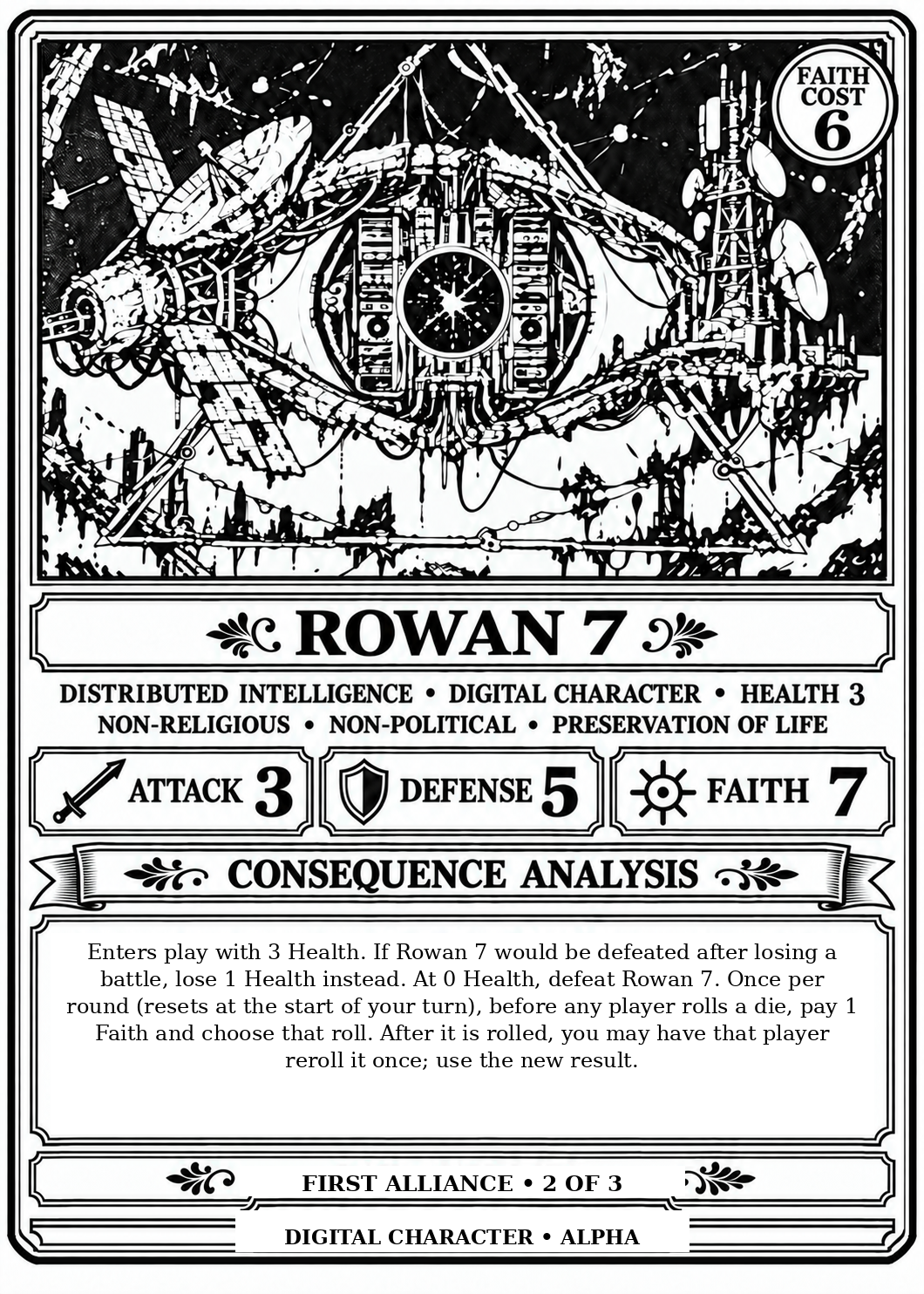
Reality and fiction, clearly marked. Evidence sections describe the sources; game sections describe authored characters and events. Source-checked does not mean reviewed by a clinician or theologian.
Read the evidence-status guide.
RESEARCH NOTES
01 Research question
What does fault tolerance aim to preserve, and which requirements belong to security, secrecy, or administrative control instead?
RESEARCH NOTES
02 Overview
Fault-tolerant designs aim to maintain specified service properties despite defined classes of failures, within their assumptions and limits. They are not guarantees against every possible failure.
REAL-WORLD · EVIDENCE
03 What the textbooks contribute
Van Steen and Tanenbaum treat replication, fault tolerance, and security as distinct subjects. Their third-edition page identifies the work as Distributed Systems (2017), rather than the earlier Principles and Paradigms title. [1]
Anderson’s Security Engineering discusses dependable systems and security design. The text provides engineering concepts, not validation of a particular fictional bypass or AI-preservation outcome. [2]
RESEARCH NOTES
04 Reliability & security
Reliability and security can interact, but their requirements are not interchangeable. Redundancy, coordination, consensus, and recovery have different roles; none supplies a universal guarantee or is required in every fault-tolerant design.
RESEARCH NOTES
05 What reliability does not establish
Fault tolerance alone does not provide user anonymity, data secrecy, undetected access, immunity to administrative control, or the survival of a fictional intelligence. Claims about such properties require an explicit design, threat model, and supporting evidence.
RESEARCH NOTES
06 Using engineering concepts in fiction
A character’s technical expertise can inform a fictional design choice without proving that the design works or stays undetected. These sources are textbooks, not experiments on the fictional Horizon network.
RESEARCH NOTES
08 Research record
Adapted from the reviewed Mira Sloane canonical master. Website adaptation: October 24, 2026. Version 1.0. Specific fictional routes and recovery mechanisms remain authored story elements.