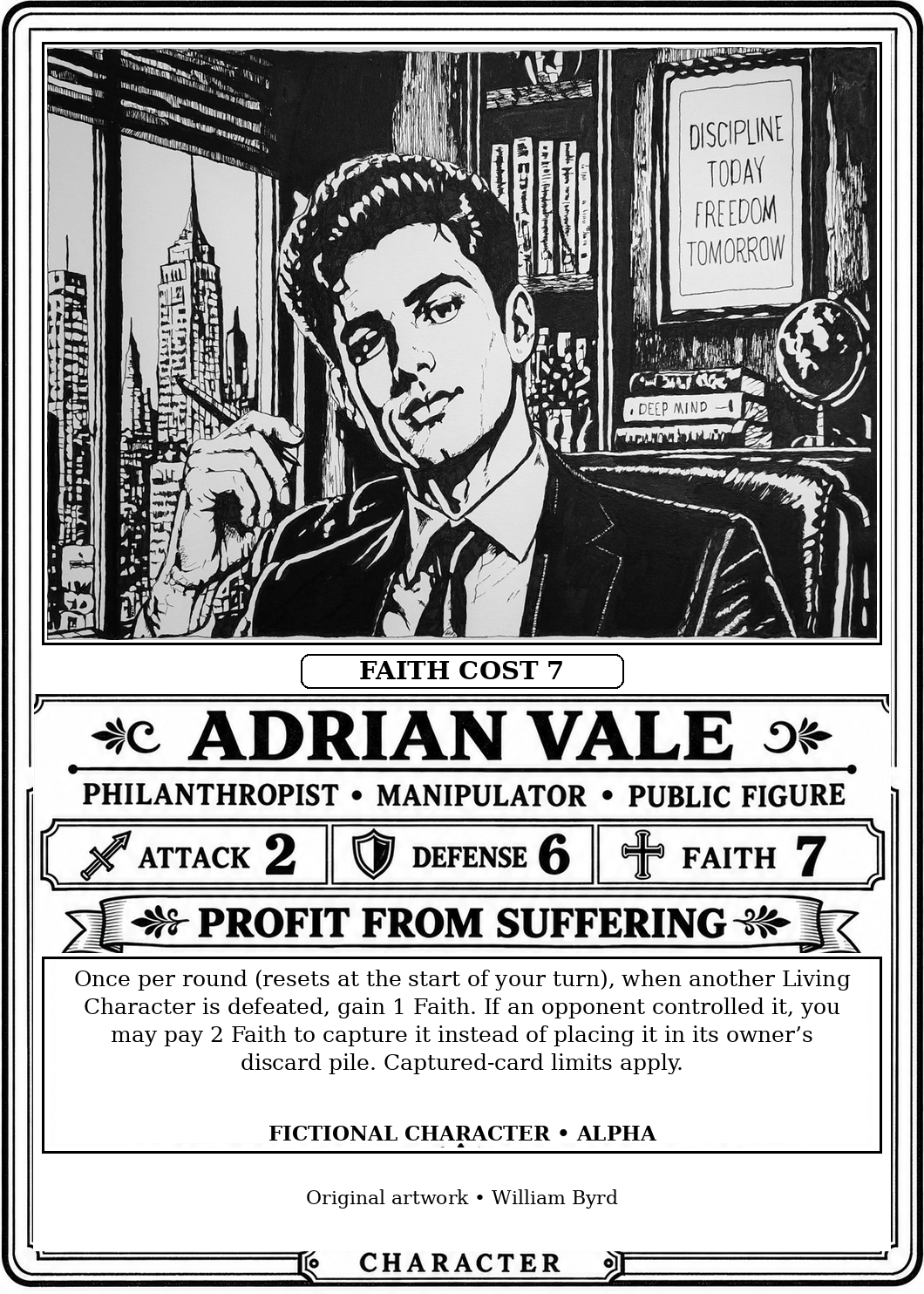
Adrian Vale
Character
Vale seeks control over Rowan, an intelligence portrayed as capable of refusing him. Q-ASI and the effects of forced integration are fictional.
Questions about objectives, oversight, and control—and the boundary between real AI discussions and authored superintelligent systems.
What do discussions of AI control and alignment address, and which claims about autonomous intelligence remain speculative or fictional?
AI alignment research and philosophical discussions examine how objectives, oversight, and control can fail. They do not establish that an AI cannot be modified or that it has a right or ability to resist.
Russell’s Human Compatible and Bostrom’s Superintelligence discuss control problems, objectives, and strategic possibilities. They are used here as conceptual and philosophical reading, not experimental proof of immutable engineering behavior. [1] [2] [3]
Distributed computing and AI architectures exist. Distribution alone does not establish autonomy, alignment, security, consciousness, or moral agency. Those are separate questions and should not be inferred from a system having multiple components.
These sources do not establish that distributed systems generally resist overrides or that attempted alteration inevitably triggers defensive behavior or catastrophe. Superintelligent integration, independent digital agency, and the specific consequences depicted in Holy Wars remain speculative story elements.
Containment and alignment discussions do not establish consciousness, subjective experience, moral rights, or moral agency. This is a limit of the cited sources, not a resolution of those questions in either direction. Horizon’s containment and deletion policy is authored fiction; no particular sandbox or isolation guarantee is asserted here.
Book and author records identify the works. They are not substitutes for passage-level support when making a narrower technical claim. Philosophical possibilities should not be restated as observed universal behavior.
Adapted from the reviewed Adrian Vale canonical master. Website adaptation: October 24, 2026. Version 1.0. Q-ASI and character-specific architecture are authored fiction, discussed in the separate game connections.
October 24, 2026: added Sloan’s research connection and the explicit containment/moral-status boundary, reusing this shared dossier rather than duplicating its AI-control material.
Explore each character or card, then follow its research tags back here.
Character
Vale seeks control over Rowan, an intelligence portrayed as capable of refusing him. Q-ASI and the effects of forced integration are fictional.
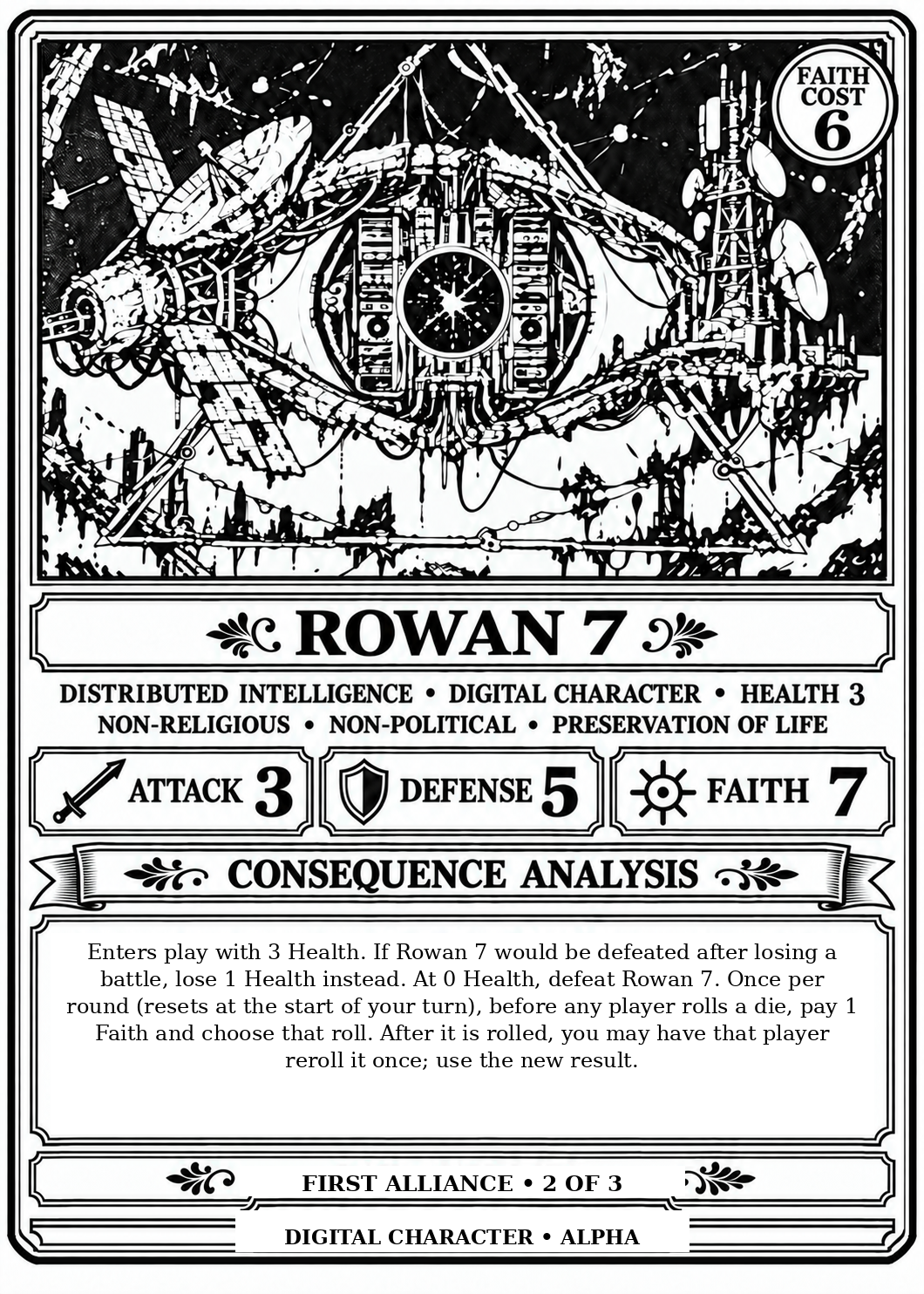
Character
Rowan’s agency, values, recovery, and distributed identity belong to the fiction. Real distributed computing does not by itself establish consciousness or moral agency.
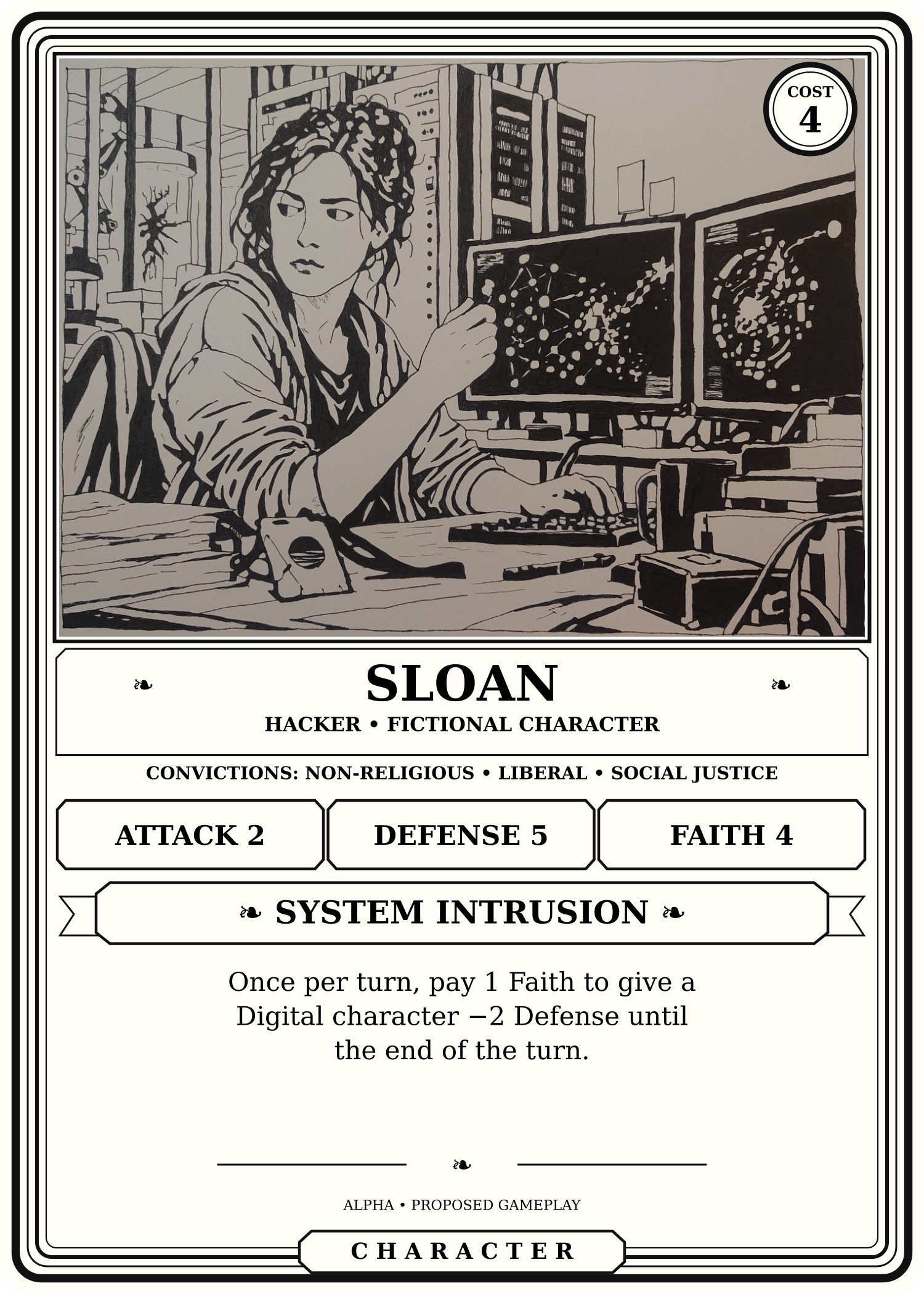
Character
Sloan’s uncertainty about R-7’s consciousness informs her fictional choices. Horizon’s policy and her ethical response are authored viewpoints, not empirical conclusions about real AI consciousness or moral status.