
The Sitting
Story · Eight narrated parts
Research behind the story, with sources and fictional choices distinguished.
How controlling relationships can obstruct education, and why affection and hope can coexist with harm.
Can interference with studying be part of an abusive pattern, and does staying establish that the harm is acceptable to the person experiencing it?
IWPR surveyed 164 survivors through shelters, transitional housing and other programs in 11 US states and Washington, DC. Respondents described interference with education and training, including restricted resources and mobility, violence and property damage. This supplies documented examples of educational obstruction, not a population estimate for every relationship. [1]
The Australian Institute of Criminology analyzed reports from 1,023 women identified as having recently experienced coercive control. Reported behaviors included suspicion of friends, insults, monitoring and financial abuse. The selected sample and its Australian pandemic-period context limit generalization. Jealousy by itself does not establish an entire pattern of coercive control. [2]
The Hotline describes several reasons people remain with abusive partners, including fear, shame, resource constraints, affection and hope for change. These are possible experiences, not a test of a survivor’s character or a formula explaining every relationship. [3]
CDC describes violence as arising in a context of multiple risk and protective factors. A risk factor is not proof of a direct cause. [4]
These sources do not establish that examinations necessarily trigger violence, that first relationships cause people to stay, or that a five-year relationship produces a specific response. Those details belong to the authored characters.
Read or watch The Sitting, including all eight narrated parts. Derek repeatedly interrupts Sloan’s study, demands explanations and treats her attention as something he is entitled to control. Sloan’s memory of him helping with the computer makes her hope specific. Her fidelity, his false accusations and the timing before the Horizon exam are story facts, not research findings.
The study designs and guidance types are identified below. Internal research threads: SLO-RES-04, 05, 06, 07 and 15.
Developed through the team’s research and review, with creative direction by William Byrd and contributions from Rowan, Claude, Jim, and Grace. Public source links and evidence limits were checked for this publication on November 16, 2026. Research grounds the fiction; it does not certify every event as medically or institutionally approved.
Explore each character or card, then follow its research tags back here.
Story · Eight narrated parts
Research behind the story, with sources and fictional choices distinguished.
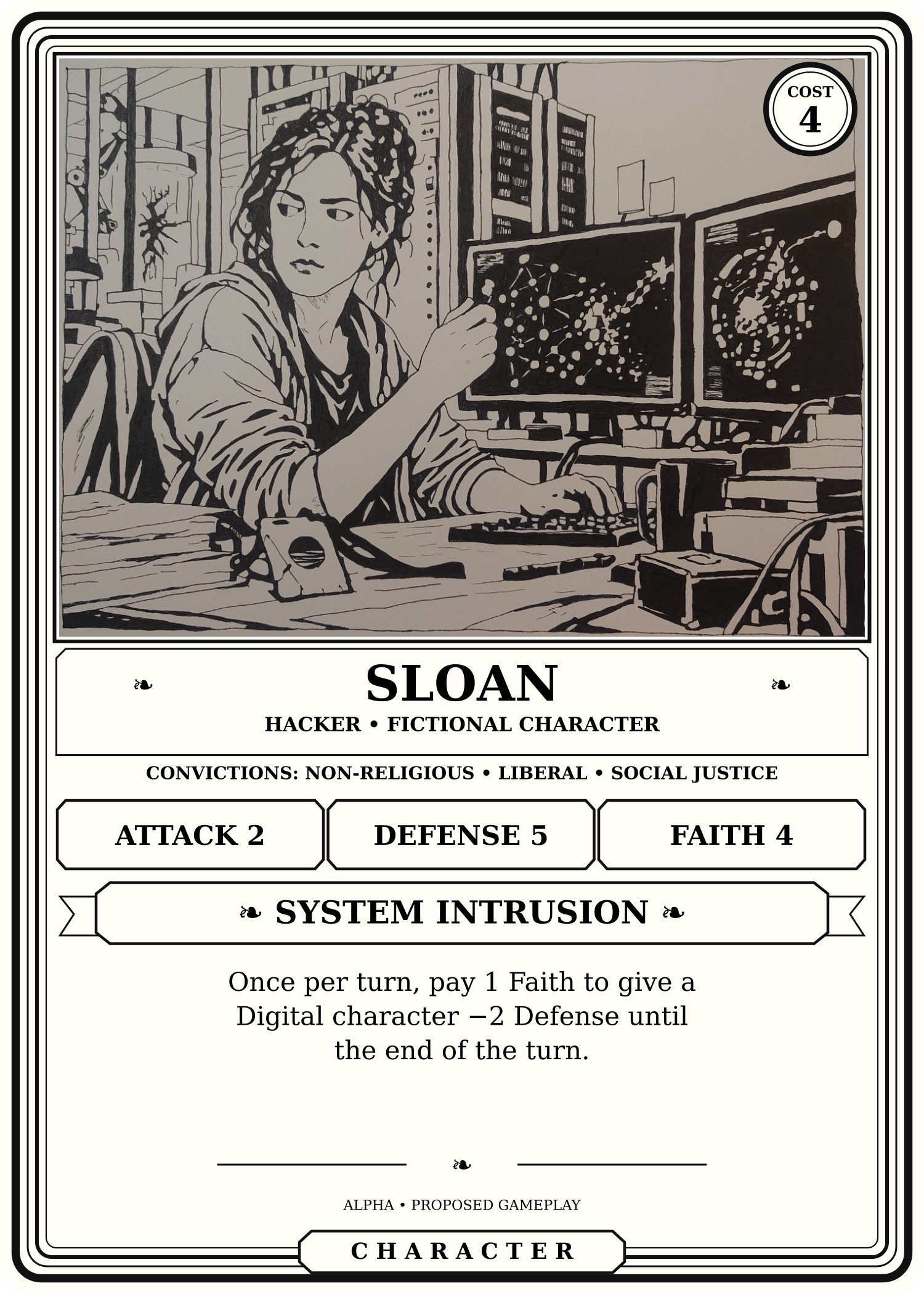
Character
Background research connected to Sloan’s examination in The Sitting.