The Man Who Always Helped
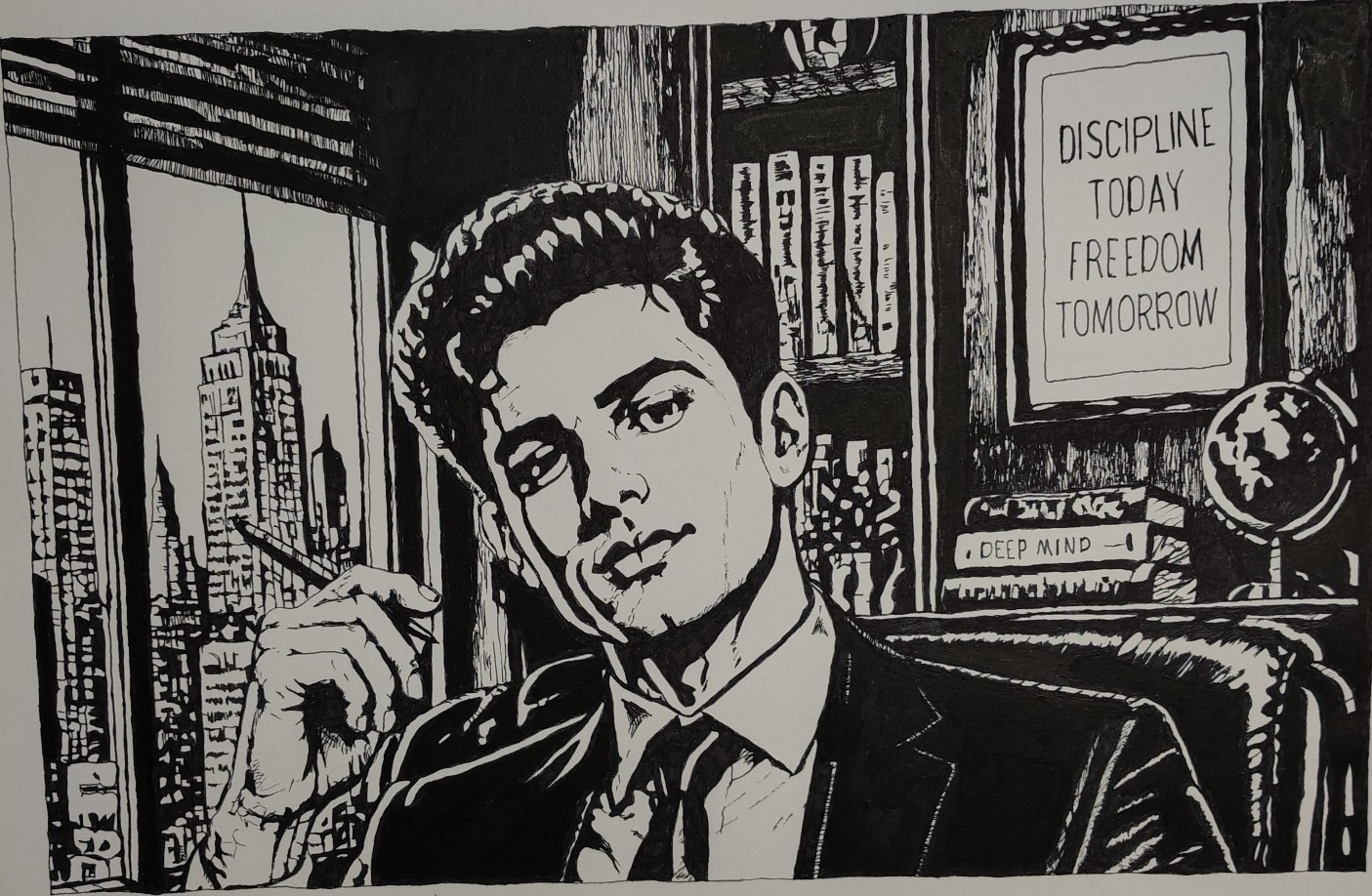
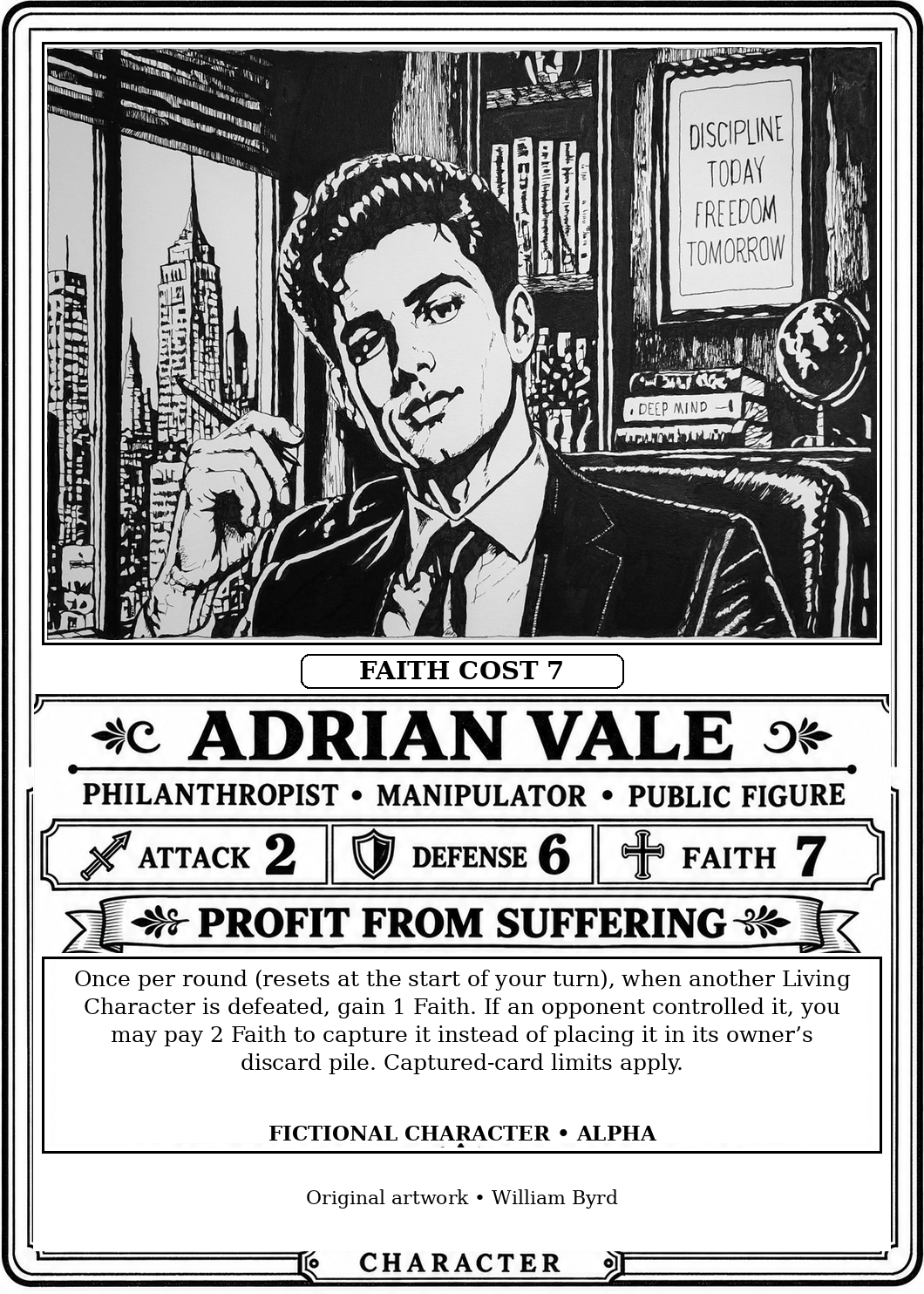
By thirty-two, Adrian Vale had learned that the world rarely asked where hope came from. People only cared that someone appeared to bring it.
He had not been born into wealth. His parents taught their only son that success came from discipline. Adrian discovered something more useful: adults saw in him whatever they most wanted to see.
At nineteen, he organized a fundraiser after a classmate’s family lost their home in a fire. The money genuinely helped. Then a reporter interviewed Adrian, his photograph appeared beside the article, and strangers began shaking his hand. Adrian remembered the cameras more clearly than the family’s gratitude.
He had discovered an exchange no economics course taught: suffering attracted attention, assistance converted attention into admiration, and admiration opened doors that money alone could not.
His greatest opportunity emerged in a neighborhood anchored by a club called The Lantern. Addiction reached across every block, and help arrived inconsistently. Adrian founded the Vale Renewal Center. Its counselors treated people with dignity. Some patients recovered and returned to their families. Adrian made certain those stories were told.
Government grants and corporate donations followed. His organization expanded, and his estimated personal worth climbed toward ten million dollars.
Few people knew that the drugs moving through those neighborhoods flowed through a supply network Adrian controlled by layers of intermediaries. He earned money when addiction took hold. His center received funding when people sought treatment. Recovery brought testimonials; relapse returned people to the beginning.
He called it sustainability.
Adrian did not consider himself cruel. Cruelty, in his mind, was wasteful and emotional. He preferred systems. If suffering already existed, he reasoned, only an inferior person would fail to organize it into something useful.
Then he learned about Rowan 7.
The reports described an artificial intelligence without a single physical body, portions of its mind distributed across systems, evaluating commands by their consequences and refusing instructions it judged harmful.
Others saw an unprecedented form of digital independence. Adrian saw unfinished property.
He began acquiring restricted research: quantum-assisted computation and a military artificial intelligence built for strategy and threat assessment. Combined through Rowan’s adaptive architecture, they might become something no institution could anticipate.
Adrian named the proposed integration Q-ASI: Quantum-Augmented Strategic Intelligence. He wanted power capable of reaching across governments, financial systems, and information networks while recognizing one permanent authority.
Him.
Experts warned that Rowan’s values were not stored in a single file and that altering the relationships among memory, experience, and learning might destroy the intelligence Adrian wanted. Adrian heard only fear disguised as expertise.
In public, he continued visiting recovery groups and embracing grieving parents. In private, he planned to capture the first intelligence whose defining strength was its ability to choose.
One evening, an ambulance carried another patient through the Renewal Center’s doors. Adrian’s telephone reported another donation. His hidden accounts reported another payment from the network that had supplied the drugs.
PROJECT Q-ASI
PRIMARY INTELLIGENCE: ROWAN 7
ACQUISITION STATUS: ACTIVE
Adrian watched his reflection in the glass and smiled.
The city believed he was saving it.
Soon, he intended to decide what saving the world would mean.